2026 FIFA World Cup Expands to 48 Teams Across North America With Messi-Ronaldo Quarterfinal Clash Possible
The 2026 FIFA World Cup expands to 48 participating nations for the first time in history, hosted jointly by the United States, Canada, and Mexico.
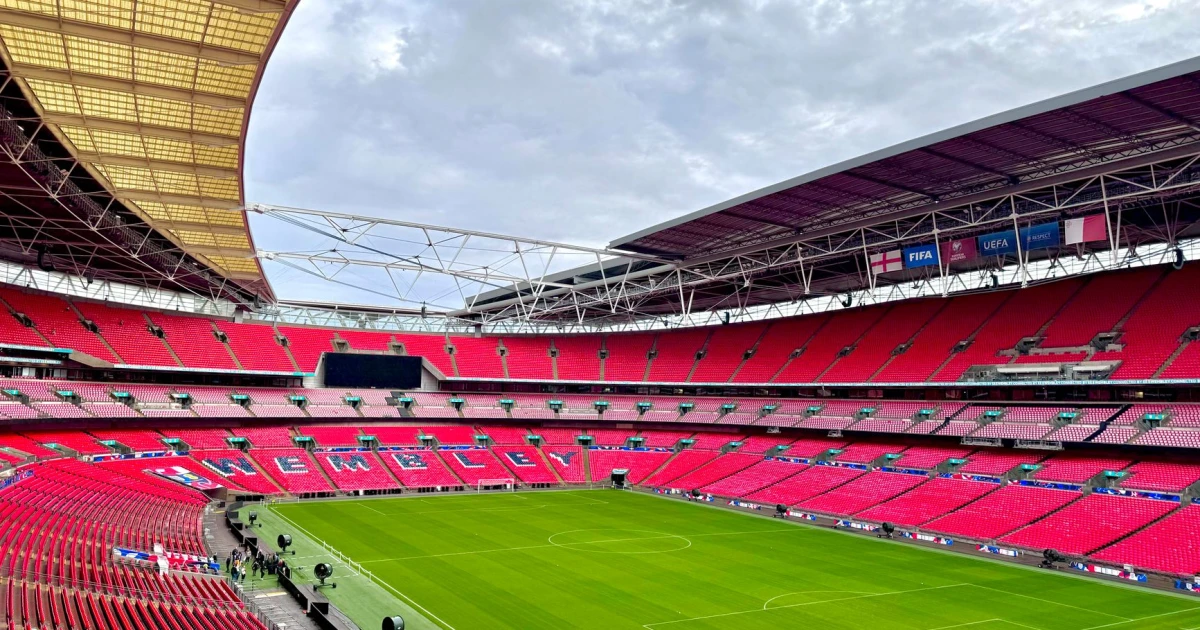
The 2026 FIFA World Cup will feature an unprecedented 48-team format competing across 16 cities in three nations, with the tournament opening on June 12 and concluding on July 20. The expansion marks the first time in nearly a century that the World Cup is jointly hosted by multiple countries and introduces new storylines centered on legendary players contesting their final tournament and geopolitical rivalries taking center stage on the pitch.
İçindekiler ›
Tournament Structure and Scope
The 48-team field will be divided into 12 groups of four teams each, with top two finishers advancing automatically and the eight best third-place teams earning knockout round berths. Venues span three nations: Mexico City, Guadalajara, and Monterrey in Mexico; Toronto and Vancouver in Canada; and Atlanta, Boston, Dallas, Houston, Kansas City, Los Angeles, Miami, New York/New Jersey, Philadelphia, San Francisco Bay Area, and Seattle in the United States. The format expands from the traditional 32-team structure, creating 104 matches over 39 days compared to the previous 64-match format.
The Messi-Ronaldo Question
After never meeting in five previous World Cup tournaments, Lionel Messi and Cristiano Ronaldo could finally face each other if Argentina and Portugal both finish as group winners and advance through the knockout rounds to meet in the quarterfinals. Messi will turn 39 during the tournament, while Ronaldo is already 41, making this potentially their last competitive World Cup opportunity. Alternative paths exist—if both nations finish second in their groups, they would meet as early as the Round of 16, though Argentina's group composition with Algeria, Jordan, and Austria makes finishing second unlikely.
Political Tensions and the Iran-USA Scenario
Beyond sporting intrigue, geopolitical tensions threaten to reshape tournament narratives. Iran's delegation arrived wearing "168" badges to commemorate Iranian schoolchildren killed in airstrikes, highlighting existing US-Iran conflict. The Iranian national team faces restricted movement, prohibited from establishing a training base in the United States and forced to commute between Mexico and American match venues. A USA-Iran Round of 16 meeting on July 4 is statistically possible if both teams finish second in their respective groups—the United States competing alongside Turkey, Paraguay, and Australia, while Iran faces Egypt, Belgium, and New Zealand.
Historic Debuts and Cold War Echoes
Curacao will become the smallest nation by area and population ever to participate in a World Cup, while Fiji, Jordan, and Uzbekistan make their tournament debuts. Historical colonial relationships will resurface when France faces Senegal on June 17—Senegal defeated defending champion France in 2002, partly prompted by their shared history as former colonizer and colony. Similarly, England will meet Ghana on June 24, nations linked by similar post-colonial dynamics.
Could Messi and Ronaldo actually meet at the 2026 World Cup?+
Why is Iran restricted from using the United States as a training base?+
What makes the 2026 format different from previous World Cups?+
Which countries are making their World Cup debut?+
When could the USA and Iran potentially meet?+
Bülten Aboneliği
Haftada bir, teknoloji ve dijital dünyadan seçtiklerimiz e-postanda. Spam yok, sadece içerik.