

Britain Prepares for Best Solar Eclipse Since 1999 With Safety Guidelines and Prime London Viewing Spots
Solar eclipses will create a spectacular partial eclipse across the UK, with the Moon covering up to 96% of the Sun in August 2026.
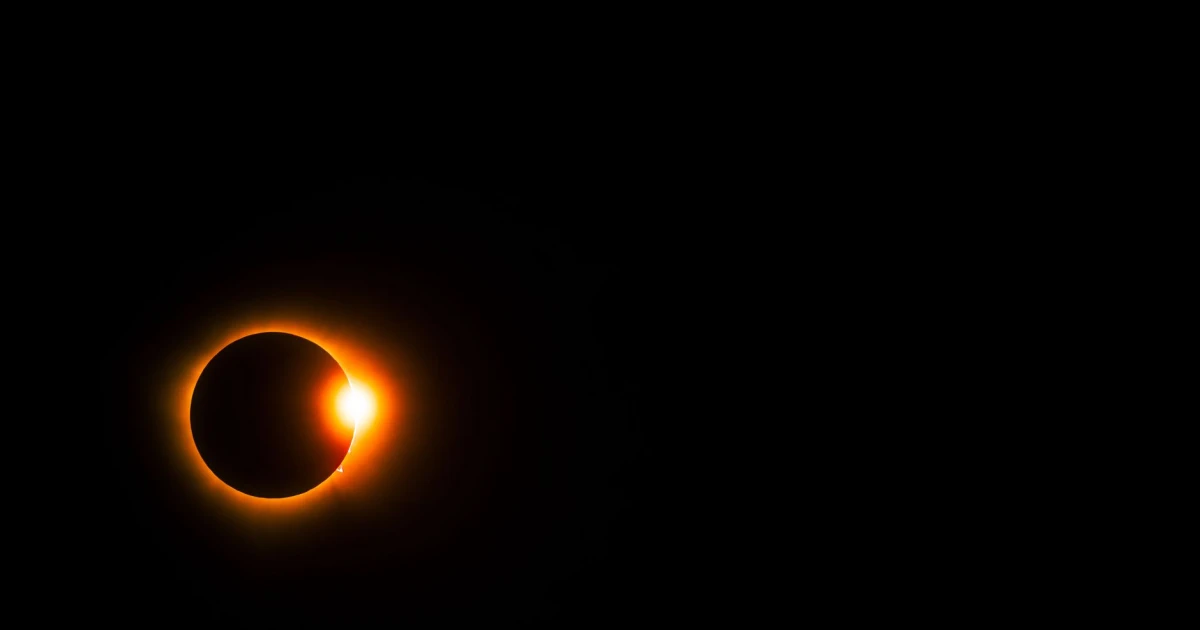
A major partial solar eclipse will cross the United Kingdom, with the Moon blocking between 90 and 96 percent of the Sun depending on location. The event occurs on Wednesday, 12 August, offering the most substantial eclipse coverage since 1999. Authorities are emphasizing certified safety equipment as the only acceptable method for observation.
İçindekiler ›
Eclipse Coverage and Timing Across the UK
The partial eclipse will unfold across an approximately two-hour window during early evening. In London, the eclipse begins at 6:17 PM, reaches its maximum coverage at 7:12 PM, and concludes by 8:06 PM. Observers in northern regions of the UK may experience slightly different timings, though the phenomenon will be visible nationwide under clear weather conditions.
The celestial alignment represents a rare occurrence for British observers. While spectators in northern Spain and Greenland will witness a complete solar eclipse during the same event, the United Kingdom will experience a deep partial eclipse—the most substantial coverage visible from British territory in 27 years. The Moon will effectively transform the Sun into a glowing crescent as daylight noticeably diminishes across the country.
Mandatory Safety Requirements
Viewing this eclipse safely requires specialized equipment. Standard sunglasses provide inadequate protection against solar radiation. Observers must wear certified ISO 12312-2 solar eclipse glasses, which feature high-strength filters specifically designed to block harmful radiation. Before wearing eclipse glasses, users should inspect them for any scratches, rips, or pinholes. Damaged glasses must be discarded immediately and never repaired. The safety certification code must be printed on the glasses before purchase.
Alternative viewing methods include constructing a pinhole projector—a simple device that projects the eclipsed Sun onto a surface without direct observation. This technique allows safe viewing without specialized eyewear.
Prime Locations for London Viewers
London's elevated vantage points offer the clearest sightlines for eclipse observation. Primrose Hill, located in northwest London, provides expansive western horizon views where the Shard, St Paul's Cathedral, and the Gherkin create distinctive architectural backdrops. Greenwich Park and the Royal Observatory host organized viewing sessions through the Flamsteed Astronomy Society, with standard admission fees applied.
Commercial venues have organized eclipse viewing events. Horizon 22, situated on the 58th floor of 22 Bishopsgate, is hosting an eclipse party for £25 per adult and £15 per child, with complimentary beverages included. Other London establishments with skyward-facing terraces are also planning viewing experiences, though specific details have not yet been disclosed.
Bonus Celestial Activity
The eclipse timing creates an exceptional opportunity for multiple astronomical observations. Just hours after the eclipse concludes, the Perseid meteor shower reaches its peak intensity, offering the possibility of witnessing meteor activity the same evening. This combination provides observers with a rare two-in-one celestial experience.
What percentage of the Sun will be covered by the Moon during this eclipse?+
Are regular sunglasses safe for viewing a solar eclipse?+
What is a pinhole projector and how does it work?+
Will weather conditions affect eclipse visibility across the UK?+
What other celestial events occur around the time of the eclipse?+
Bülten Aboneliği
Haftada bir, teknoloji ve dijital dünyadan seçtiklerimiz e-postanda. Spam yok, sadece içerik.