

El Niño 2026 Could Rank Among Strongest on Record, Bringing Extreme Weather Across the Globe
El Niño 2026 is officially underway with meteorologists warning it could rank among the strongest documented events in history.
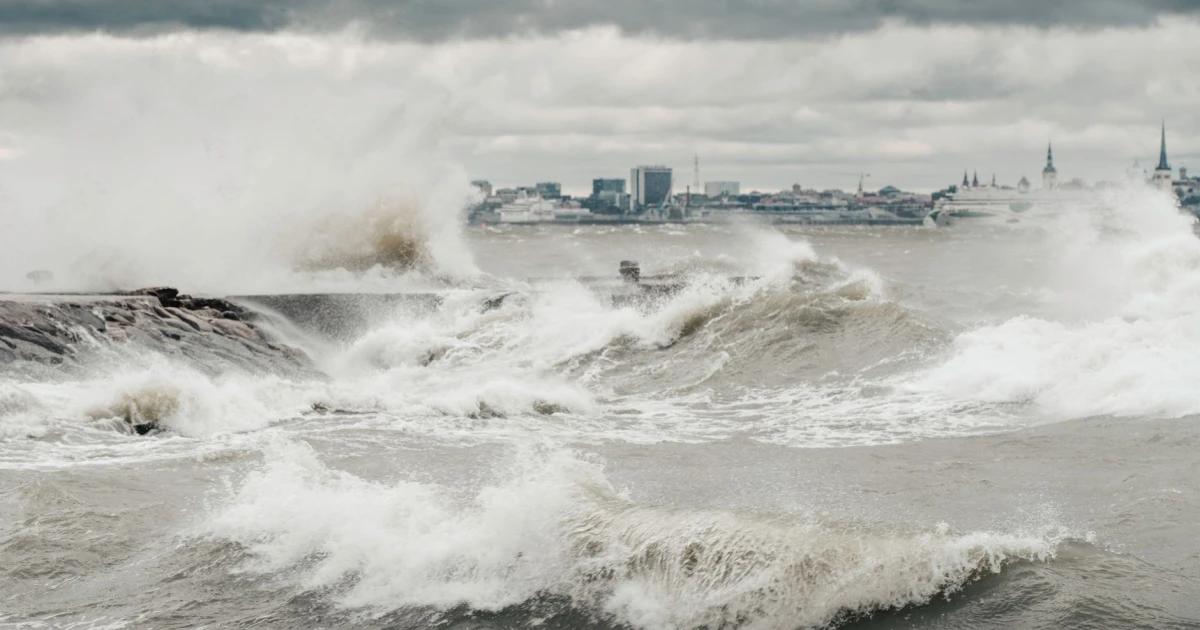
El Niño 2026 is officially here, and forecasters say there is a 63% probability it will become one of the most powerful events in recorded history. The National Weather Service and NOAA are preparing the public for intense heat, widespread drought conditions in certain areas, and significant flooding risks in others, with the most dramatic effects expected between November and January. The phenomenon is already reshaping ocean temperatures across the Pacific and is expected to intensify in the coming months.
İçindekiler ›
What Makes This El Niño Exceptional
El Niño occurs when warm surface temperatures develop across the tropical Pacific Ocean, creating a natural climate pattern that amplifies global heat. This year's event is particularly concerning because it arrives on top of existing climate change warming, compounding the effects. According to meteorologists at the National Weather Service in Los Angeles, current ocean temperature models indicate this El Niño has the potential to match some of the largest documented events in the historical record. The pattern typically shifts the jet stream—the ribbon of fast-moving air that encircles the Northern Hemisphere—southward, fundamentally altering winter weather across North America and beyond.
Regional Impacts Already Taking Shape
Different regions face sharply contrasting consequences. The Pacific Northwest is bracing for dry, unusually warm winter conditions, a serious concern given that much of the region is already experiencing drought after receiving below-average snowfall. In contrast, Southern U.S. states typically experience wetter-than-normal winters during El Niño events, raising flooding risks as the season progresses. Beyond land, two marine heat waves are already developing in the Pacific—one near the California coast and another further offshore. Oceanographers at NOAA's Southwest Fisheries Science Center warn that El Niño will drive ocean temperatures even higher this autumn, potentially subjecting marine ecosystems to back-to-back heat waves. Extended heat exposure poses critical risks to fish populations and sea life, including mass die-offs and unusual species movements into coastal waters.
Global Hurricane Patterns and Atlantic Protection
El Niño typically suppresses Atlantic hurricane activity while increasing tropical cyclone frequency in the Pacific. The phenomenon also links to higher average global temperatures, meaning this event will likely exacerbate warming trends already underway from human-caused climate change.
What exactly is El Niño and why does it matter?+
How strong is El Niño 2026 expected to be?+
Which regions will be most affected by El Niño 2026?+
When will El Niño 2026 have its strongest effects?+
What impact will El Niño 2026 have on hurricane seasons?+
Bülten Aboneliği
Haftada bir, teknoloji ve dijital dünyadan seçtiklerimiz e-postanda. Spam yok, sadece içerik.