

Flesh-Eating Screwworm Detected 25 Miles From U.S. Border as Texas Prepares Defense
A flesh-eating screwworm was detected 25 miles from the U.S. border in Mexico, the closest location since federal monitoring began.
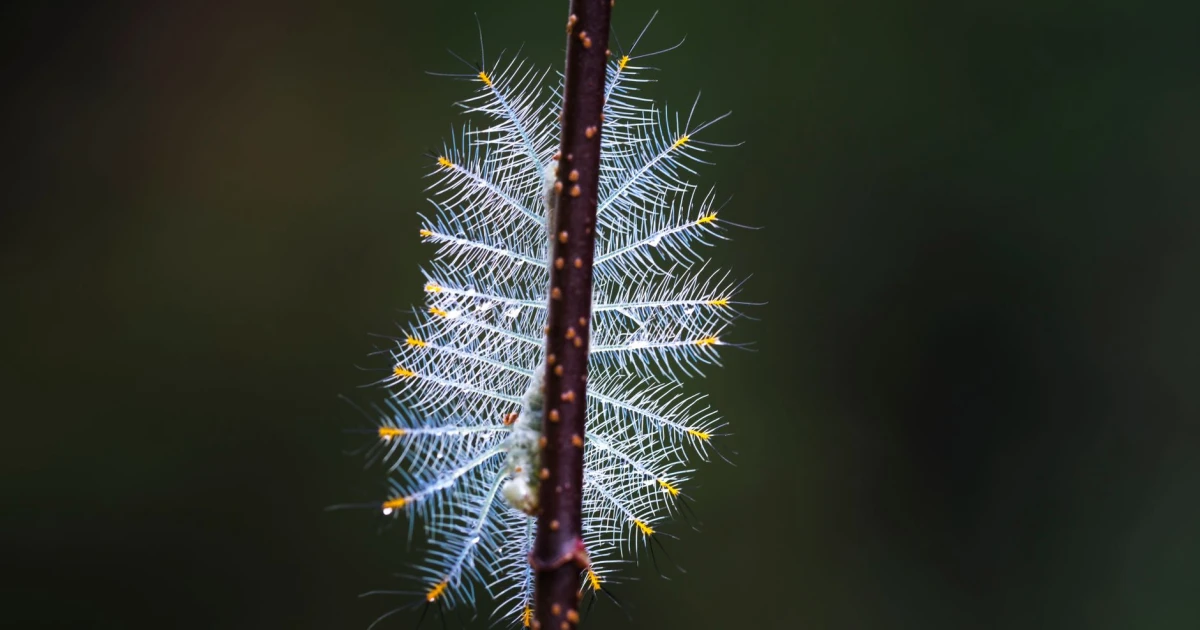
Federal agricultural officials have confirmed the detection of a parasitic screwworm in Mexico's Coahuila state, just 25 miles from the southwestern Texas border. The location represents the closest encounter with the flesh-eating insect since authorities began intensive monitoring in late 2024. Although U.S. officials maintain that the current risk to American livestock and the public remains low, the discovery has intensified calls from Texas lawmakers for enhanced state-level intervention.
The Discovery and Current Threat
The screwworm was identified in a five-year-old goat on Thursday, according to the U.S. Department of Agriculture. This finding comes as federal officials track 32 confirmed cases throughout the Mexican state, including 19 currently active infestations. Across all of Mexico, the USDA has documented at least 26,216 screwworm cases since the pest's reemergence, with upward of 2,700 remaining active. The agency publishes updates twice weekly regarding any new detections within a 400-mile radius of the U.S. border and maintains a dedicated monitoring webpage emphasizing that the parasite is not yet present on American soil.
The New World screwworm is a parasitic fly that reproduces by laying eggs in open wounds or body orifices—including eyes, ears, nose, and mouth—of warm-blooded animals and humans. Once hatched, the larvae consume living tissue, causing severe damage. The insect was effectively eradicated from the United States more than three decades ago but has been steadily moving northward from South America and the Caribbean through Central America and Mexico over the past three years, according to the Centers for Disease Control and Prevention.
Political Pressure and Response
State Representative Don McLaughlin, a Uvalde Republican, created controversy by claiming the screwworm was just one mile from the border—a statement U.S. Agriculture Secretary Brooke Rollins publicly corrected at a news conference, calling the assertion "false information" that causes "significant panic." Despite Rollins' correction, McLaughlin's broader concern has resonated with Texas ranchers and officials. He has urged Governor Greg Abbott, Lieutenant Governor Dan Patrick, and House Speaker Dustin Burrows to establish a Texas-led emergency response modeled after Operation Lone Star, the state's ongoing border security initiative. McLaughlin argued that the state cannot wait for a federal response when the threat has advanced to its doorstep.
The economic stakes are substantial. Texas's cattle industry represents a billion-dollar sector vulnerable to screwworm infestation. Federal officials have pledged to ramp up communication efforts in response to the proximity of the latest detection, yet the pace of the response remains a source of frustration for state agricultural advocates who have warned of the threat for more than a year.
Human Risk and History
Last year marked a significant development: the first confirmed case of a New World screwworm infestation in a human on U.S. soil was detected in Maryland. The case involved a traveler returning from El Salvador. The individual recovered, and health investigators found no evidence of transmission to other people or animals. While the Centers for Disease Control and Prevention acknowledges that humans can be infested, the agency emphasizes that the primary risk remains to livestock and other animals.
What exactly is a New World screwworm?+
How close is the screwworm to the United States?+
Is there currently a screwworm in the United States?+
How many screwworm cases have been found in Mexico?+
Why is Texas particularly concerned about the screwworm?+
Bülten Aboneliği
Haftada bir, teknoloji ve dijital dünyadan seçtiklerimiz e-postanda. Spam yok, sadece içerik.