


Gray whale deaths surge along the West Coast as Arctic warming forces migration through shipping zones
Over 60 gray whales have died along the West Coast this year, with experts warning conditions could make 2026 one of the deadliest years.
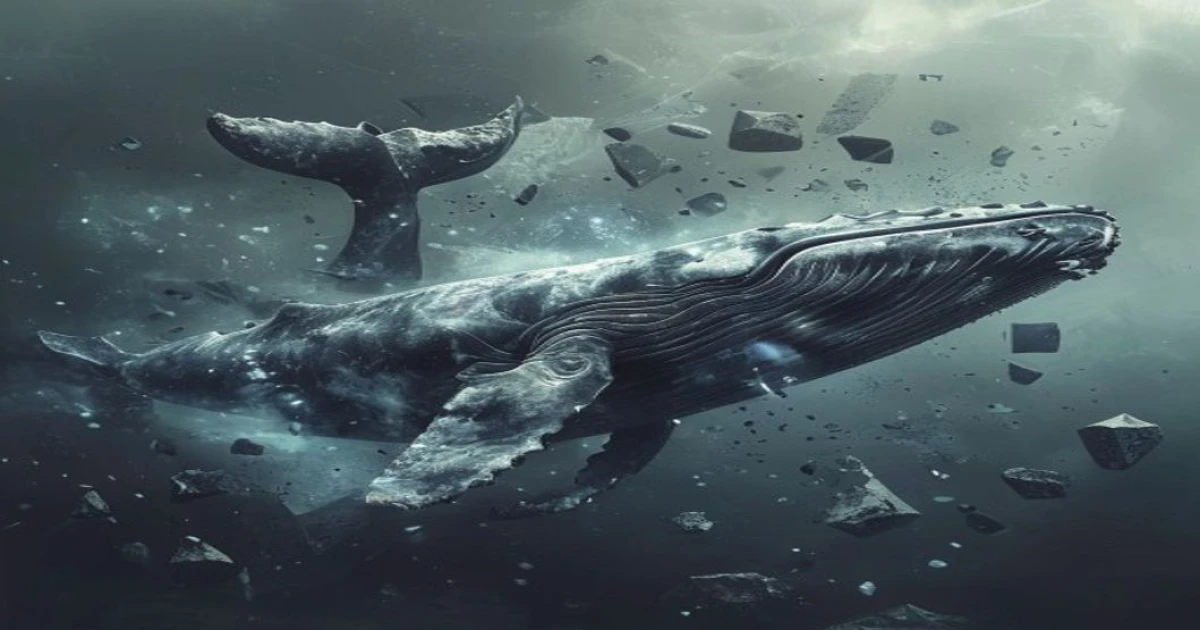
A surge in gray whale deaths along the West Coast has prompted conservation groups to sound an alarm about conditions that could make the current year one of the most lethal on record for the marine mammals. Over 60 whales have perished so far, with ship strikes and fishing gear entanglement identified as the primary human-related causes. The pattern reflects a confluence of environmental and industrial pressures that experts say is forcing hungry whales into increasingly dangerous waters.
Scale of the Crisis
The Center for Biological Diversity reported that gray whale fatalities have been concentrated in Washington state and the San Francisco Bay area, though Southern California has also documented deaths, including a 30-foot humpback whale that washed ashore in Newport Beach. If current mortality rates continue, the year could rank second only to 2019, when 122 whales died along the West Coast. During that previous spike, ship strikes accounted for 24 deaths and fishing gear entanglement claimed 33 whales, though biologists believe actual numbers are substantially higher due to whales that sink or wash ashore undetected.
Climate and Food Scarcity Drive the Crisis
Rising Arctic temperatures are fundamentally altering the ecosystem where gray whales feed, depleting the prey species these animals depend on for survival. Facing starvation, the whales undertake lengthy migrations and are forced to navigate through areas with concentrated shipping traffic and commercial fishing operations. Oceans Program Director Miyoko Sakashita described the predicament as a survival challenge: whales searching desperately for food encounter a landscape filled with vessels and fishing gear, creating what she characterized as a deadly maze they must traverse to reach safer waters.
Beyond human activity, several deceased whales showed signs of malnutrition, underscoring how climate-driven food shortages compound the threat posed by ship strikes and entanglement. The whales are caught between ecological pressures pushing them to migrate and industrial hazards waiting in their path.
Proposed Solutions
Conservation advocates are urging immediate action to reduce whale-vessel collisions. The Center for Biological Diversity has called on the U.S. Coast Guard to establish mandatory 10-knot speed limits in areas where whale activity is documented. The organization is also promoting adoption of pop-up gear—fishing equipment designed without dangling lines that typically snare marine mammals. These modifications represent immediate interventions that could reduce preventable deaths while broader climate and food security issues persist.
What caused the rise in gray whale deaths?+
How many gray whales have died this year?+
What was the deadliest year for West Coast whales?+
What solutions have conservationists proposed?+
Why are Arctic temperatures affecting gray whales?+
Bülten Aboneliği
Haftada bir, teknoloji ve dijital dünyadan seçtiklerimiz e-postanda. Spam yok, sadece içerik.