
Le Mans 2026 field reveals extreme performance uncertainty ahead of iconic endurance race
Le Mans 2026 practice sessions have shown five different constructors at the top, leaving pace unpredictable before Saturday's start.
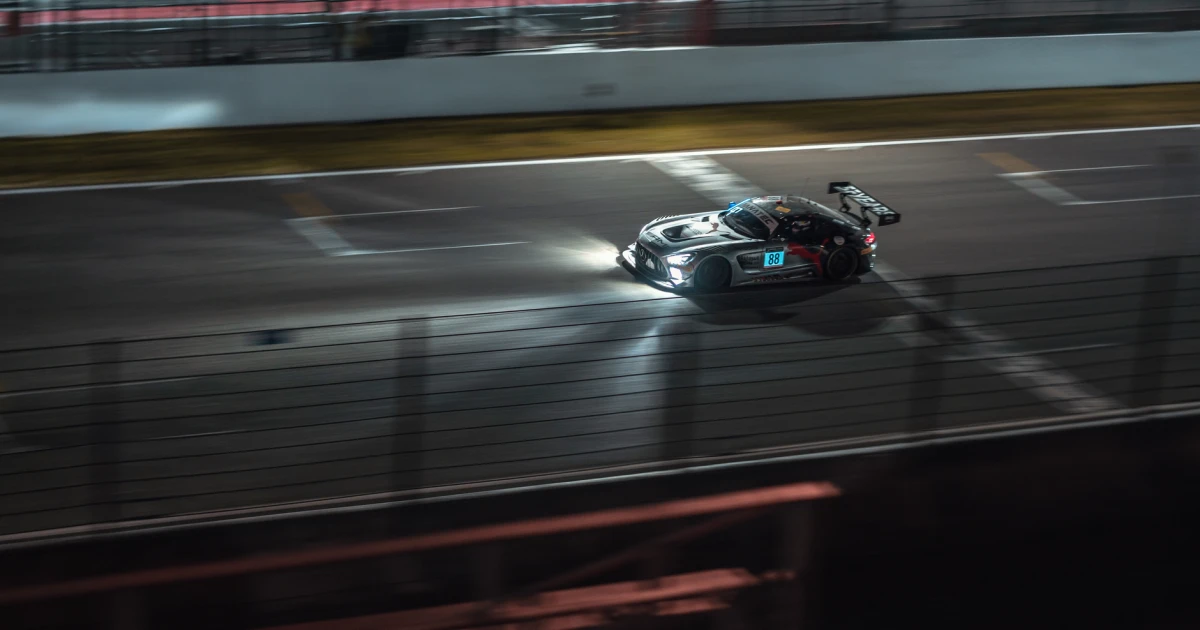
The 2026 24 Hours of Le Mans begins with extraordinary uncertainty over which manufacturer will prove fastest, as five different constructors have topped practice sessions and officials have kept performance adjustments classified to reduce distractions. The 186-driver field includes sixteen former Formula 1 competitors, among them defending champion Robert Kubica, competing across three classes when the race commences on Saturday 13 June.
İçindekiler ›
Competitive mystery dominates practice
From test day through the final practice sessions, Circuit de la Sarthe has delivered contradictory speed data. The balance of performance—technical regulations designed to equalise manufacturer capabilities—remains confidential, and team personnel have been prohibited from discussing it publicly. Officials believed this secrecy would keep competitive focus on driving rather than engineering adjustments, yet the consequence has been genuine uncertainty about genuine pace.
Raw lap times suggest Cadillac leads in 3m22.559s, followed closely by BMW at 3m22.564s and Alpine at 3m23.018s. However, a deleted qualifying session time and multiple session-topping performances across different manufacturers complicate interpretation. Peugeot currently sits slowest at 3m24.978s—a position the French manufacturer contests vigorously. BMW M Team WRT polesetter Dries Vanthoor acknowledged the unpredictability, noting that Ferrari, despite appearing uncompetitive in qualifying metrics, cannot be dismissed. "They don't look fast now, but I'm sure they manage somehow to be there when it counts," he stated.
LMP2 clarity contrasts with Hypercar chaos
The LMP2 class, which operates without performance balance restrictions, presents clearer competitive signals. Esteban Masson, a 21-year-old on his third Le Mans appearance, secured pole position for Forestier Racing by Panis in the number 29 Oreca with a 3m32.855s lap—four-tenths clear of rivals. Analysts averaging all three drivers' lap times in each lineup to account for mandatory amateur driver variance identified two standout contenders: Masson's number 29 averaging 3m34.354s and the number 30 Duqueine Team entry averaging 3m34.392s. The Duqueine car features an exceptionally young, homogeneous lineup of Mercedes Formula 1 junior Doriane Pin, McLaren F1 junior Richard Verschoor and youngest Le Mans LMP2 class winner Julien Andlauer, all averaging 24 years old.
Ex-Formula 1 drivers reshape endurance competition
Sixteen former Formula 1 drivers populate the 2026 grid, with thirteen contesting the Hypercar category. Robert Kubica, winner in 2025 driving for AF Corse Ferrari, will pilot the number 83 Ferrari alongside Yifei Ye and Phil Hanson. The Polish driver's Le Mans success represents a full-circle moment after a 2011 rallying accident ended his Formula 1 trajectory with Ferrari. Japanese star Kamui Kobayashi, a 2021 Le Mans winner and current Toyota driver, partners with Nyck de Vries—a Formula E champion with brief Formula 1 experience at Williams and AlphaTauri—and Mike Conway in the number 7 Toyota. Kobayashi finished fifth last year and has accumulated six Le Mans podiums beyond his Hypercar-era victory.
Why is the balance of performance at Le Mans 2026 kept secret?+
Which constructors have led practice sessions at Le Mans 2026?+
How many former Formula 1 drivers compete at Le Mans 2026?+
What makes the LMP2 class different from Hypercar regarding performance?+
Who secured pole position in the LMP2 class?+
Bülten Aboneliği
Haftada bir, teknoloji ve dijital dünyadan seçtiklerimiz e-postanda. Spam yok, sadece içerik.