
Morocco Builds Football Dynasty Four Years After Qatar World Cup 2022 Breakthrough
Morocco's Qatar World Cup 2022 semifinal run marked a watershed moment that triggered systematic investment across all age groups and competitive categories.
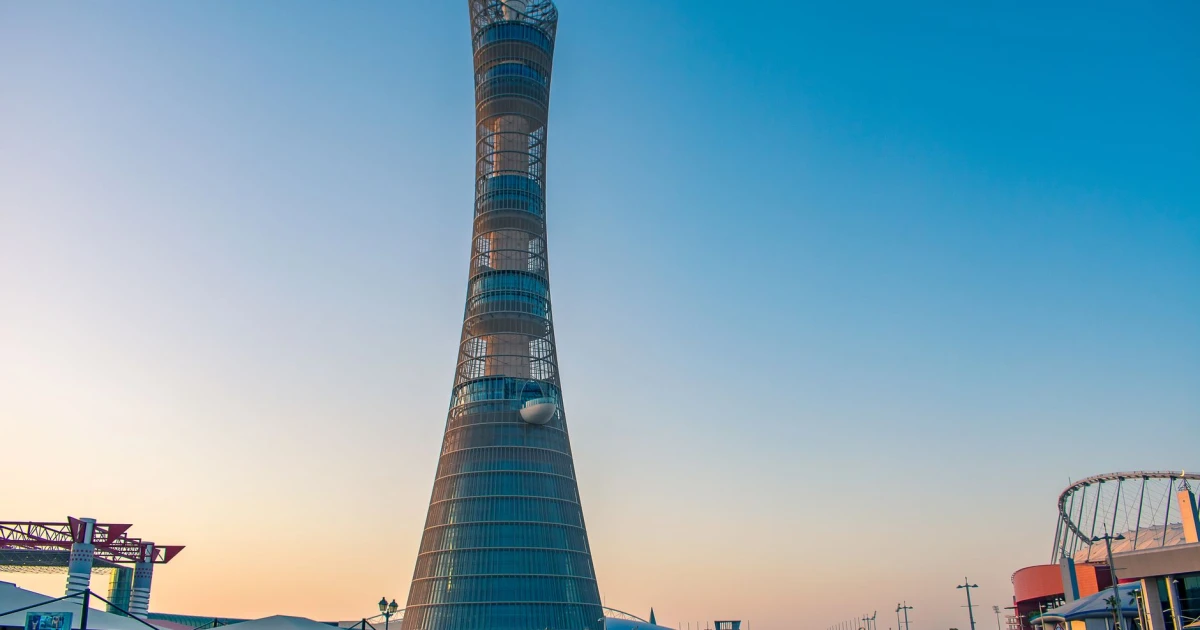
Morocco has evolved from a World Cup outsider into a genuine continental powerhouse, capitalizing on momentum from their Qatar World Cup 2022 semifinal appearance to build a multi-layered competitive structure across senior and youth categories. The North African federation has implemented a long-term institutional strategy centered on governance reform, infrastructure investment, and human resource development—a framework that has produced tangible results at every competitive level.
İçindekiler ›
The 2022 Turning Point
Morocco's unexpected run to the World Cup semifinals in Qatar represented a historic breakthrough for the nation. That campaign, under then-coach Walid Regragui, shattered previous expectations and elevated the team's global standing. The performance was not accidental; it reflected emerging organizational changes within Moroccan football that would intensify after the tournament concluded.
The success triggered a cascade of investment and competitive development. The Atlas Lions subsequently broke multiple historical barriers, reaching a top-10 FIFA ranking—a milestone once unimaginable for the confederation. This momentum provided political and financial capital to expand the development model beyond the senior men's team.
Systematic Success Across All Levels
Morocco's current competitive portfolio demonstrates the breadth of institutional success. The nation holds titles across the 2025 AFCON, 2025 Women's Africa Cup of Nations finals, 2025 FIFA Arab Cup, 2025 African Nations Championship, 2025 U-20 World Cup, 2025 U-17 AFCON, 2024 Olympic men's bronze medal, and 2024 Futsal AFCON. This concentration of achievement across youth, senior, and gender categories reflects deliberate, long-term planning rather than isolated success.
The foundational architecture traces to King Mohammed VI's 2008 Skhirat Sports Conference, which outlined a three-pillar national football strategy: governance reform, financial investment, and institutional human resources. Moroccan officials prioritized cleaning up financial structures, building thousands of local proximity fields for mass participation, and constructing elite training facilities. The Mohammed VI academy complex near Rabat now operates at standards comparable to France's Clairefontaine, producing starters for top European clubs including Olympique de Marseille, Girona, and Al-Ittihad.
Leadership Transition and Future Outlook
Morocco enters the next competitive cycle under new coach Mohamed Ouahbi, who replaced Walid Regragui in March after winning the U-20 World Cup. The appointment mirrors the coaching change that preceded the Qatar World Cup 2022 campaign, though Ouahbi brings minimal time to implement his preferred 4-2-3-1 formation. The tactical shift, designed to create space for captain Achraf Hakimi on the right flank, carries implementation risk despite early friendly results—a 1-1 draw against Ecuador and 2-1 victory over Paraguay.
The federation faces intensified pressure to sustain performance. Where the Qatar tournament produced surprise, current ranking and expectation demand consistency. The eight-ranking represents both achievement and burden; critics will measure success against previous overperformance rather than absolutes. Ouahbi acknowledged this dynamic at his unveiling, emphasizing "seriousness, humility and determination" alongside the institutional support now available to Moroccan football.
What was Morocco's achievement at the Qatar World Cup 2022?+
How did Morocco develop from Qatar 2022 success into a top-10 team?+
Who is Morocco's current head coach and what is his tactical approach?+
What titles has Morocco won across all competitive levels?+
Bülten Aboneliği
Haftada bir, teknoloji ve dijital dünyadan seçtiklerimiz e-postanda. Spam yok, sadece içerik.