


New York Times Journalists Subpoenaed by Trump Administration Over Air Force One Security Reporting
New York Times journalists received federal subpoenas after reporting security flaws in a Qatari-gifted Air Force One aircraft.
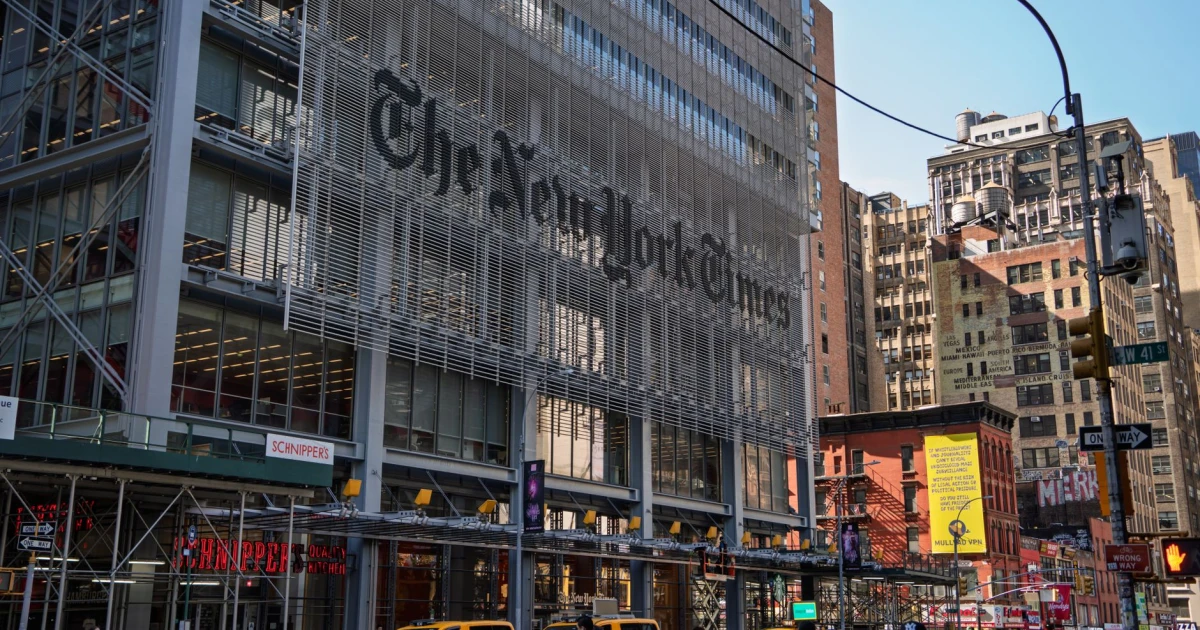
Federal agents delivered subpoenas to several New York Times journalists demanding they testify before a grand jury following the newspaper's reporting on alleged security vulnerabilities in President Donald Trump's new Air Force One aircraft. The summons requires the reporters to appear in Manhattan before a federal grand jury, which will examine evidence to determine whether criminal charges should be filed related to the disclosure of classified information.
İçindekiler ›
The Air Force One Reporting
The New York Times published multiple stories citing unnamed sources who raised concerns about the security capabilities of a Qatari-gifted aircraft designated for presidential use. According to the reporting, the Secret Service advised Trump to switch planes while returning from a NATO summit in Turkey because the newer aircraft lacked advanced security features, including antimissile defense systems. The newspaper's coverage drew attention to the decision-making process surrounding presidential transportation security during international travel.
Government Response and Legal Arguments
The Justice Department stated it is investigating illegal leaks of classified information and emphasized that reporters are not targets of the investigation. Officials argued the probe aims to identify government employees or contractors who disclosed sensitive national security material. However, David McCraw, the Times's top newsroom lawyer, characterized the subpoenas as a "brazen act" designed to prevent public awareness of government activities and to intimidate journalists from performing their duties.
The constitutional protection of press freedom to report matters in the public interest creates tension with government efforts to prevent classified information disclosure. While communicating classified material to media outlets constitutes a federal crime, the First Amendment has historically shielded news organizations from prosecution for publishing information obtained lawfully, even when that information originates from government sources.
Legal and Institutional Stakes
The subpoenas mark a significant moment in the ongoing debate over government transparency and national security. Grand juries, composed of ordinary citizens convened by federal authorities, examine evidence presented by prosecutors to determine probable cause for criminal charges. The requirement for journalists to testify about their sources and reporting methods represents an unusual legal pressure on news organizations and raises questions about how government investigations interact with newsgathering practices.
What did the New York Times report about Air Force One?+
Who received the federal subpoenas?+
What does the Justice Department claim about the investigation?+
How did the New York Times respond to the subpoenas?+
Does the First Amendment protect news organizations from such subpoenas?+
Bülten Aboneliği
Haftada bir, teknoloji ve dijital dünyadan seçtiklerimiz e-postanda. Spam yok, sadece içerik.