


Perseid Meteor Shower Reaches Peak with Up to 100 Meteors per Hour
The Perseid meteor shower reaches peak activity with displays of up to 100 meteors per hour visible in clear dark skies.
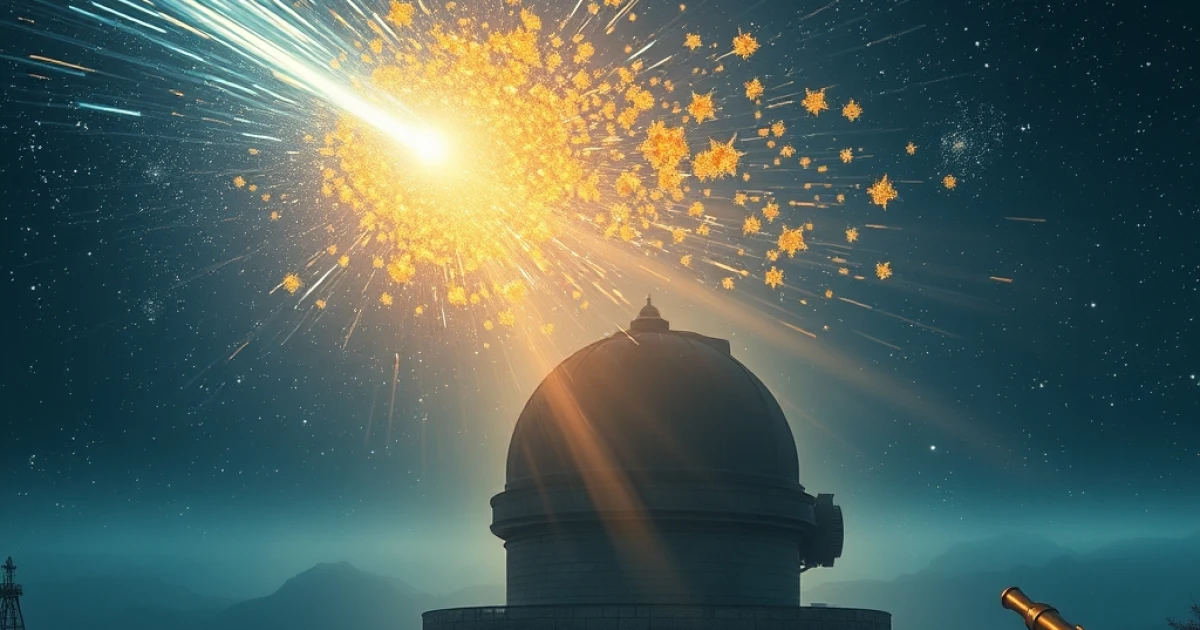
The Perseid meteor shower is delivering one of the year's most spectacular astronomical events, capable of producing between 50 and 100 visible meteors per hour during peak activity. The display originates from debris shed by comet Swift-Tuttle, a massive object with a 16-mile nucleus that orbits the sun every 133 years. Viewers in the Northern Hemisphere have the best opportunity to witness the phenomenon, though successful observation requires specific viewing conditions and preparation.
Timing and Peak Activity
The Perseid shower extends across several weeks, beginning in mid-July and continuing through late August. The most intense display occurs during the peak, when stargazers have the highest likelihood of witnessing rapid meteor activity. The shower gains visibility after sunset and continues throughout the night, though the pre-dawn hours typically offer the greatest concentration of visible meteors as the radiant point reaches its highest elevation in the sky.
What Makes Perseids Exceptional
Astronomers regard the Perseid meteor shower as the premier annual event of its kind, distinguishing it from other displays through specific characteristics. The meteors travel at extraordinarily high speeds—up to 37 miles per second—and frequently leave long luminous trails in their wake as they pass through Earth's atmosphere. The shower is particularly renowned for producing fireballs, larger explosions of light and color that persist longer than standard meteor streaks and often burn brighter due to originating from more substantial particles of cometary material.
Optimal Viewing Strategy
Successfully observing the Perseid shower requires moving away from urban areas where artificial light diminishes visibility. NASA recommends locating a position with minimal light pollution and lying flat on the ground to maximize the field of sky visible to the observer. Eyes require approximately 20 to 30 minutes to adjust fully to darkness before the full extent of meteor activity becomes apparent. Viewers should orient themselves toward the northern sky and locate the constellation Perseus, the radiant point from which meteors appear to originate, though shooting stars will be visible across much of the overhead sky during peak activity.
When does the Perseid meteor shower peak?+
How many meteors can be seen during peak hours?+
Where should I look to find the Perseid meteors?+
What is the source of the Perseid meteor shower?+
What preparation is needed for viewing?+
Bülten Aboneliği
Haftada bir, teknoloji ve dijital dünyadan seçtiklerimiz e-postanda. Spam yok, sadece içerik.