


Scientists Identify New Deep-Sea Ghost Shark Species Off Costa Rica's Pacific Coast
Scientists have formally described a new deep-sea ghost shark species, Rhinochimaera costaricana, discovered in Costa Rica's Pacific waters. atlantica, and R.
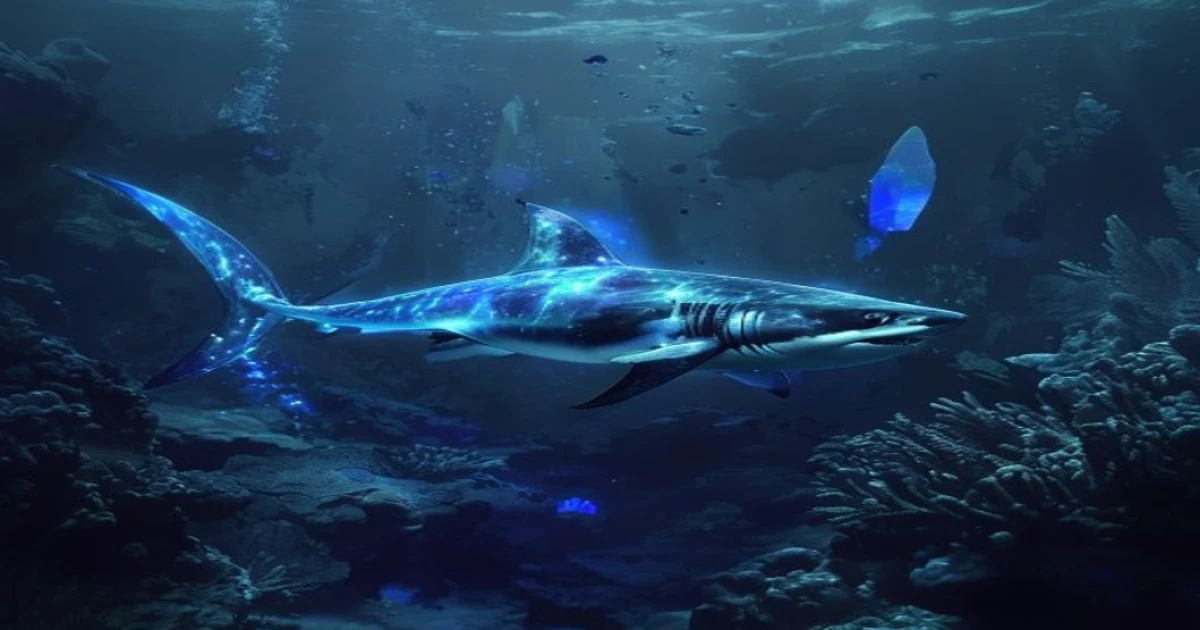
Researchers have officially named a previously unknown species of deep-sea cartilaginous fish living in Costa Rica's Pacific waters, expanding the scientific understanding of the country's largely unexplored marine environment. The newly described species, Rhinochimaera costaricana, belongs to a group of ancient fish known as chimaeras or ghost sharks, which are evolutionarily distinct from true sharks and rays despite their superficial similarity.
İçindekiler ›
The Discovery and Scientific Process
A collaborative research team from Costa Rica's Fisheries and Aquaculture Institute (INCOPESCA), the University of Costa Rica (UCR), and Brazil's Federal University of Pará formally published their findings in the scientific journal Zootaxa. The work was notably led by Naidely Valeria Vidaurre Quesada, a biology student at UCR, who served as the primary author of the research paper.
Scientists based their description on three male specimens collected from Costa Rica's Pacific waters spanning two decades. The first specimen was recovered near Isla del Caño in 2000, while the remaining two were collected off Cabo Blanco, Puntarenas in 2023. All three fish were found at depths ranging from 390 to 787 meters—far below the reach of recreational diving and in an environment rarely accessible to researchers.
Morphological and Genetic Evidence
The research team conducted 49 distinct body measurements on the Costa Rican specimens and compared them against data from more than 90 individuals representing the three previously recognized Rhinochimaera species worldwide: R. africana, R. atlantica, and R. pacifica. The Costa Rican fish exhibited a distinctive combination of physical traits, including a shorter snout, a notably taller first dorsal fin and spine, a wider gap between dorsal fins, and fewer tubercles along the tail.
DNA analysis confirmed the morphological findings. Genetic sequencing revealed differences of 3.9 percent compared to R. africana, 4.5 percent compared to R. atlantica, and 4.7 percent compared to R. pacifica—proportional variations sufficient to establish the fish as a separate species. To verify the discovery was genuinely novel, Vidaurre Quesada traveled to London's Natural History Museum, supported by UCR and the Deep Ocean Alliance, where she examined historical global archives and confirmed no prior scientific description existed for this fish.
Conservation and Future Research
The discovery underscores how much remains unknown about Earth's deepest marine environments. Biologists from INCOPESCA originally recovered and preserved two of the three specimens during routine fisheries research expeditions. By transferring these specimens to the UCR Museum of Zoology scientific collections, the team secured critical evidence for ongoing study and ensured the specimens would remain available for future generations of researchers investigating deep-ocean life.
What exactly is a ghost shark or chimaera?+
How deep do these fish live?+
How many Rhinochimaera species are now recognized?+
What makes this discovery significant for Costa Rica?+
How were the specimens initially collected?+
Bülten Aboneliği
Haftada bir, teknoloji ve dijital dünyadan seçtiklerimiz e-postanda. Spam yok, sadece içerik.