

Small Modular Reactors Emerge as U.S. National Security Priority Amid Energy and Military Demands
The United States is prioritizing small modular reactors as a core pillar of national security and military readiness.
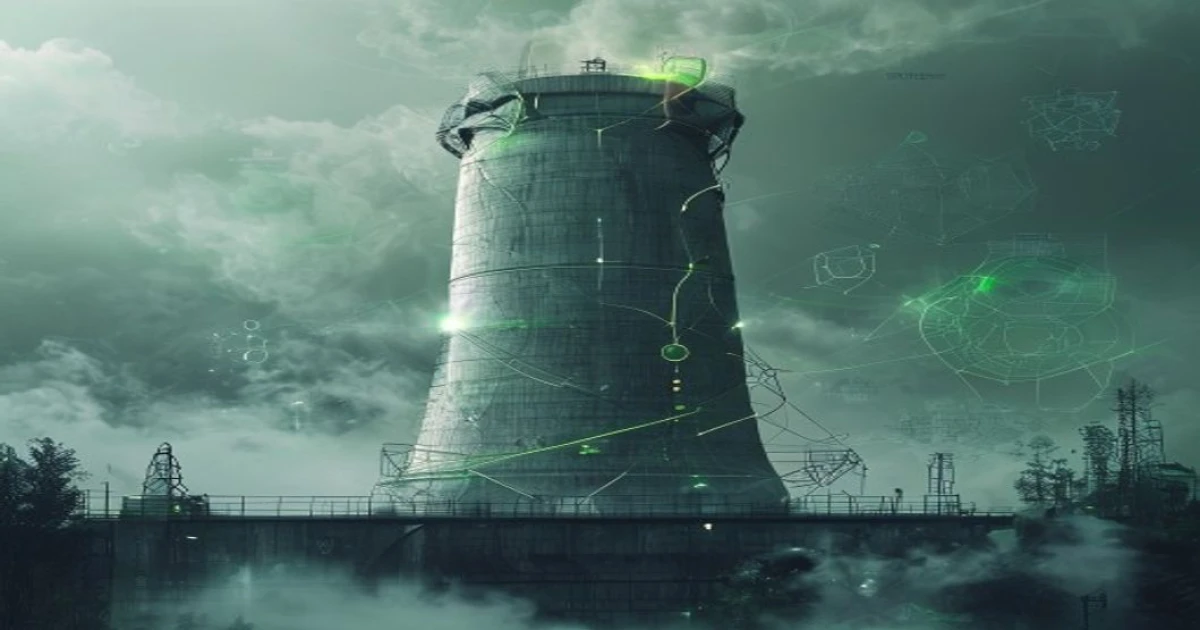
The United States is elevating small modular reactors to a national security priority, recognizing them as essential to military superiority and defense infrastructure resilience. Unlike traditional large-scale nuclear facilities, these factory-manufactured units can be deployed to specific defense installations, semiconductor fabrication plants, and remote locations vulnerable to grid disruption. The shift marks a fundamental change in how Washington approaches energy policy, moving beyond climate and economic considerations toward strategic military readiness.
Energy Demands on Defense Infrastructure
Modern military operations depend increasingly on uninterrupted electrical supply. Defense installations, weapons production facilities, command and control infrastructure, and shipyards all require reliable 24/7 baseload power that centralized transmission systems struggle to guarantee. Many of these critical facilities remain vulnerable to cyberattacks, physical sabotage, transmission bottlenecks, and extreme weather events that can cripple operations during natural disasters or geopolitical crises.
The United States faces a convergence of unprecedented energy demand and an electric grid already operating at capacity. Renewable energy sources alone cannot meet the scale and reliability requirements necessary to sustain America's strategic position. Small modular reactors offer a solution by providing consistent, secure power independent of centralized transmission networks, making them particularly valuable for isolated military installations and defense industrial bases.
The Strategic Competition Factor
Competition with China extends beyond trade and tariffs to encompass industrial capacity, technological dominance, artificial intelligence infrastructure, and semiconductor manufacturing. All of these sectors depend fundamentally on abundant and reliable electricity. American military superiority increasingly hinges on whether the nation can generate sufficient resilient baseload power to support both its defense industrial base and rapidly expanding digital infrastructure without dependency on vulnerable centralized grids.
Small modular reactors are designed for flexible deployment and smaller operational footprints than legacy nuclear plants. Their factory manufacturing approach allows for faster construction timelines compared to traditional large-scale nuclear facilities. This capability makes them strategically advantageous for supporting specific industrial facilities, AI infrastructure projects, and defense installations in locations where grid reliability remains a persistent concern.
What are small modular reactors and how do they differ from traditional nuclear plants?+
Why are small modular reactors considered a national security priority?+
How do small modular reactors support competition with China?+
Can renewable energy sources alone meet America's baseload power requirements?+
What vulnerabilities exist in the current American electric grid?+
Bülten Aboneliği
Haftada bir, teknoloji ve dijital dünyadan seçtiklerimiz e-postanda. Spam yok, sadece içerik.