

SpaceX Rocket Stage Set to Collide with Moon at High Speed
A four-tonne SpaceX Falcon 9 rocket stage will collide with the Moon at 5,400 mph, creating a new crater.
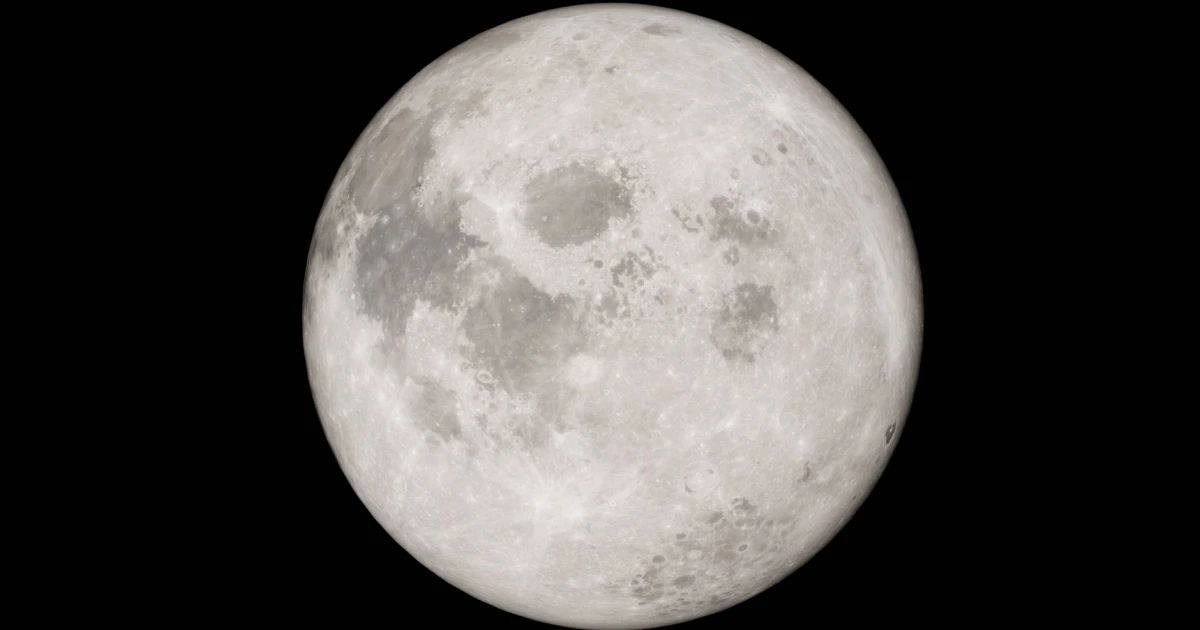
A SpaceX rocket stage weighing approximately four tonnes is expected to strike the Moon's surface at 5,400 miles per hour, creating a new crater roughly 60 feet wide. The collision poses no threat to Earth and will instead provide scientists with an opportunity to study artificial impacts and refine space-tracking techniques.
What Is Crashing Into the Moon?
The object hurtling toward the lunar surface is the upper stage of a Falcon 9 rocket, approximately the size of a five-storey building. It has been orbiting in space since January, when it launched a lunar lander for Firefly Aerospace. Unlike typical rocket stages, which either burn up in Earth's atmosphere or splash into the ocean, this stage remained in orbit at a velocity of approximately 2.43 kilometres per second due to the mission's trajectory requirements.
The stage has been floating uncontrollably in space for months. Astronomers determined earlier this year that gravitational forces and solar activity had placed it on a direct collision course with the Moon. Because the rocket stage had already expended its fuel, mission controllers were unable to redirect it.
Impact Details and Scientific Value
According to NASA, the impact is anticipated to occur at approximately 07:35 BST and will strike Einstein crater on the Moon's western limb. The collision will excavate a crater measuring roughly 18 metres wide and 4 metres deep, dispersing lunar dust and rock outward across the surface. While the flash from impact may be visible through a sophisticated telescope from Earth, the event will not be observable with the naked eye due to the location and illumination angle.
NASA officials have stated that the impact will help scientists better understand how artificial objects interact with the lunar surface and may refine techniques for tracking space debris. Julianna Scheiman, SpaceX director of NASA science and Dragon programs, described the event as likely to be of minor scientific interest. The space agency plans to collect lunar data before and after the collision using available imaging resources.
Will the Moon impact affect Earth or satellites?+
Why couldn't SpaceX control or redirect the rocket stage?+
How large is the crater expected to be?+
Can people see the impact from Earth?+
Bülten Aboneliği
Haftada bir, teknoloji ve dijital dünyadan seçtiklerimiz e-postanda. Spam yok, sadece içerik.