

Spain Rocked by Multiple Earthquakes as Southeastern Region Experiences Seismic Activity
A 4.1-magnitude earthquake struck the town of Librilla in Murcia, Spain, prompting emergency alerts and over 80 calls to local authorities.
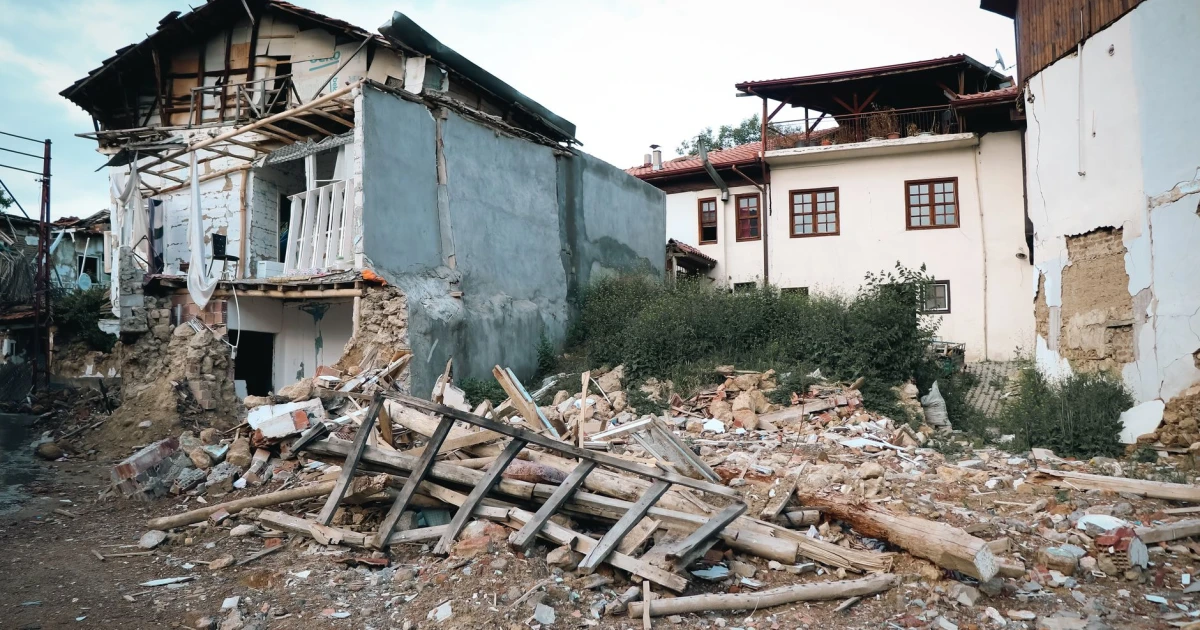
Southeastern Spain experienced multiple earthquakes within hours, with a 4.1-magnitude tremor striking Murcia and a 3.7-magnitude quake hitting Granada. The region, home to thousands of British tourists and expats, activated emergency alert systems and saw a surge in emergency calls but reported no immediate casualties or structural damage.
Murcia Earthquake Details
The Murcia earthquake struck just before noon on Sunday, with its epicentre located in Librilla, west of the city of Murcia. According to Spain's Instituto Geografico Nacional, the tremor registered at a depth of just five kilometres. This shallow depth proved significant, as it meant the vibrations were felt distinctly across a wider area, triggering panic among residents and tourists throughout the region.
The shallowness of the quake prompted the Civil Protection authority to issue an ES-Alert, a text message warning residents of possible aftershocks. Emergency services reported more than 80 calls to Spain's 112 emergency line from people in affected areas including Murcia, Molina de Segura, and Alhama. Spanish news outlets also confirmed the tremor was felt in Alicante province, a coastal area with significant populations of British expatriates and holiday visitors.
Granada Earthquake and Regional Context
Separately, a 3.7-magnitude earthquake struck near Granada later in the afternoon, with its epicentre positioned approximately 3.73 miles south of the city in the town of Ogijares at a depth of six kilometres. The Mediterranean Seismological Centre confirmed the reading, though Spain's National Geographic Institute initially cited a different epicentre location. A smaller aftershock measuring 1.7 magnitude followed in the nearby town of Armilla.
Southeastern Spain sits within a region of established seismic vulnerability. In December of the previous year, a 4.9-magnitude earthquake off the coast of Fuengirola generated more than 40 emergency calls. Most significantly, in May 2011, two consecutive earthquakes measuring 4.7 and 5.1 magnitude struck Lorca, killing nine people and causing substantial property damage across the town.
How deep was the Murcia earthquake?+
Were there any injuries or property damage reported?+
How many people contacted emergency services?+
Is southeastern Spain prone to earthquakes?+
Why was an ES-Alert issued?+
Bülten Aboneliği
Haftada bir, teknoloji ve dijital dünyadan seçtiklerimiz e-postanda. Spam yok, sadece içerik.