Thames Water hosepipe ban reveals infrastructure failures rather than climate alone, critics argue
Thames Water hosepipe ban reflects years of underinvestment by privatised water firms prioritising shareholder returns.
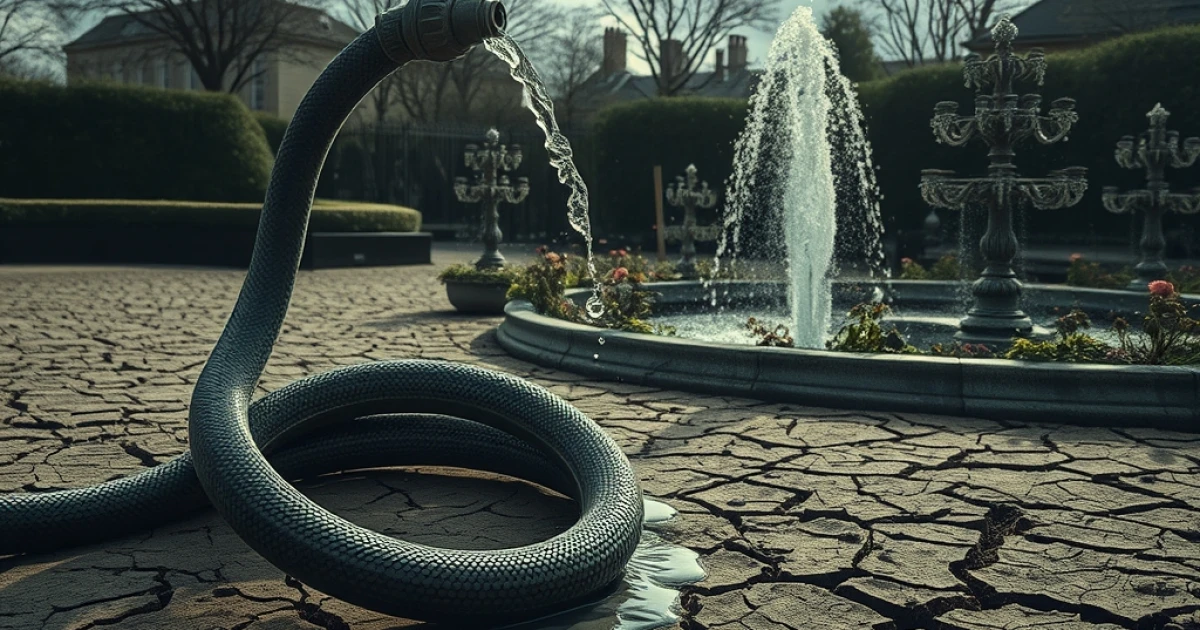
The Thames Water hosepipe ban has reignited debate over whether water shortages stem primarily from climate change or corporate mismanagement of the UK's water infrastructure. Critics argue privatised water companies have systematically neglected pipe maintenance and reservoir investment while extracting substantial dividends for overseas shareholders. The dispute centres on accountability, with environmental groups and residents questioning why restrictions target households while exempting golf courses and commercial operations.
The Privatisation Question
Letters published in major newspapers reveal frustration that hosepipe bans are being blamed on "unusual conditions" and climate crisis when infrastructure decay plays an equally significant role. Campaigners contend that water companies have privileged shareholder returns over essential maintenance of ageing pipe networks for decades. The result is that temporary use bans occur far more frequently than they would if systems were properly maintained and upgraded.
Investment funds, many based outside the UK, extract substantial sums as dividends while the water supply infrastructure deteriorates. Meanwhile, water bills have reached record levels despite declining service quality. Calls have emerged for governments to impose significant tax burdens on water company shareholders specifically to fund pipe replacement programmes and new reservoir construction.
Enforcement and Exemptions
Under the Temporary Use Ban regulations, households face potential fines of up to £1,000 for breaching restrictions, though water companies typically issue warning letters before escalating to prosecution. Residents are encouraged to report suspected violations directly to their water supplier rather than police or local councils. However, exemptions for golf courses and car washes—which consume hundreds of thousands of litres—have sparked additional criticism about inconsistent application of restrictions.
Water UK's guidance permits use of rainwater collected in butts and applies different rules across regions, as restrictions vary by water company. The organisation recommends friendly reminders over formal complaints, acknowledging that violations may involve legitimate exemptions. Still, the disparity between household restrictions and commercial exemptions has become a focal point of public anger.
Regulatory Gaps
Ofwat, the water regulator, has come under scrutiny for lacking effective enforcement powers to compel companies to meet infrastructure standards. The regulatory framework appears insufficient to prevent years of deferred investment while allowing executive compensation and shareholder payouts to continue rising. This gap between regulatory authority and corporate practice has left households bearing the cost of restrictions while companies avoid accountability.
What exactly is a hosepipe ban and how does it work?+
What are the penalties for breaking a hosepipe ban?+
Should I report my neighbour for breaking the ban?+
Why are golf courses exempt from hosepipe bans?+
Bülten Aboneliği
Haftada bir, teknoloji ve dijital dünyadan seçtiklerimiz e-postanda. Spam yok, sadece içerik.