
Thousands of Protesters Clash with Police at G7 Summit in Geneva
Thousands of protesters clashed with police in Geneva before the G7 summit, with authorities deploying tear gas and water cannons.
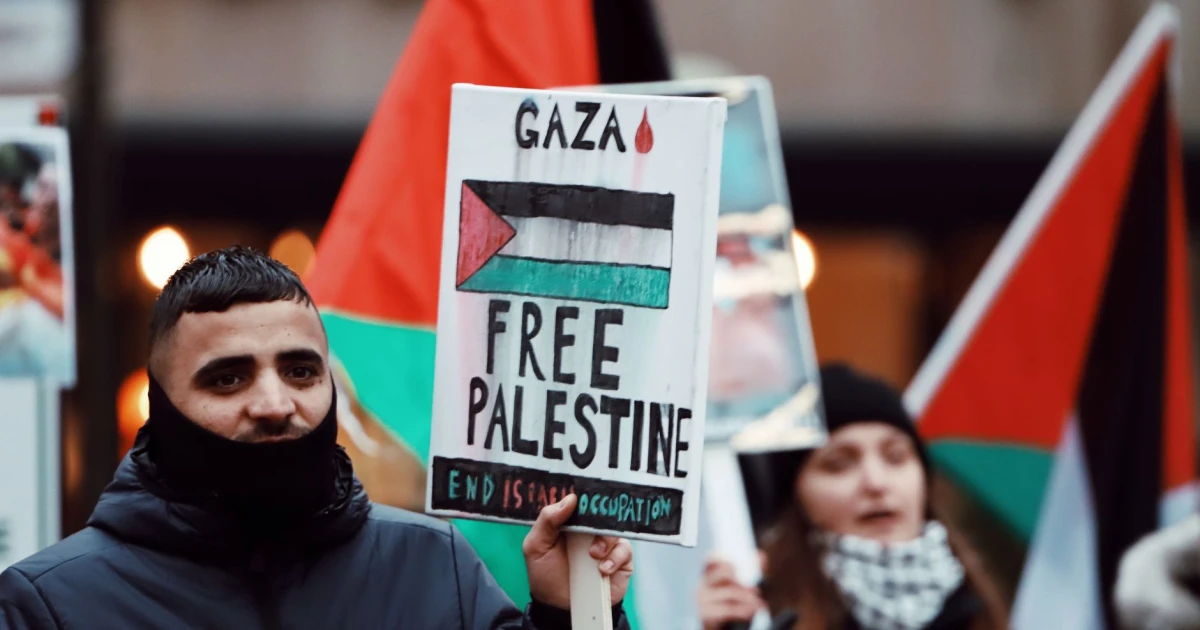
Approximately 20,000 demonstrators gathered in Geneva ahead of the Group of Seven summit, resulting in violent clashes with police who deployed tear gas and water cannons to disperse the crowd. The "No-G7" coalition, comprising more than 60 organizations including environmental and humanitarian groups, organized the demonstration to challenge the economic and military policies of the world's richest nations.
The Demonstration and Escalation
The protest occurred on Sunday as world leaders prepared to convene on Monday in the French resort town of Evian-les-Bains for the three-day summit. Demonstrators, many dressed in black and wearing masks, marched through Geneva carrying messages against what they described as policies that benefit the wealthy while harming the global population. As the day progressed, the situation deteriorated when some protesters threw bottles, stones, pieces of concrete and firecrackers at riot police positioned along the march route.
In response to the escalating unrest, authorities deployed heavy-handed tactics to control the crowd. Windows were smashed at multiple locations, including the offices of the UN's International Telecommunications Union and a PricewaterhouseCoopers facility. A vehicle was set on fire during the chaos. Police responded with tear gas and water cannons, though one protester expressed disappointment that the demonstration had turned violent, emphasizing that the core message—opposition to countries wielding "money and power" to oppress others—remained valid regardless of the tactics employed.
Security Measures and Coalition Goals
Swiss and French authorities mobilized thousands of police officers to secure the summit venue, blocking roads and prohibiting unauthorized gatherings. Many businesses in the area preemptively boarded up their storefronts with wooden panels, remembering similar unrest that occurred during a previous G7 summit in Evian in 2003. Authorities also provided financial support to businesses vulnerable to disruption.
The anti-G7 coalition's spokesperson, Francoise Nyffeler, articulated the movement's central concern: fear of the policies pursued by Donald Trump and other G7 leaders, particularly regarding military conflicts occurring globally. Coalition members argued that the seven nations—comprising the United States, Canada, Japan, France, Germany, Italy and the United Kingdom—do not represent the broader global population and that their decisions negatively impact climate action, human rights and poverty reduction efforts.
What is the G7 and which countries does it include?+
Who organized the Geneva protest?+
Why do protesters oppose the G7?+
How many people attended the Geneva protest?+
Where is the G7 summit taking place?+
Bülten Aboneliği
Haftada bir, teknoloji ve dijital dünyadan seçtiklerimiz e-postanda. Spam yok, sadece içerik.