


US and Iran Escalate Military Strikes Around Strait of Hormuz as Trump Demands Compliance
Iran retaliated by attacking US positions in Bahrain and Kuwait as diplomatic tensions escalated into direct military confrontation.
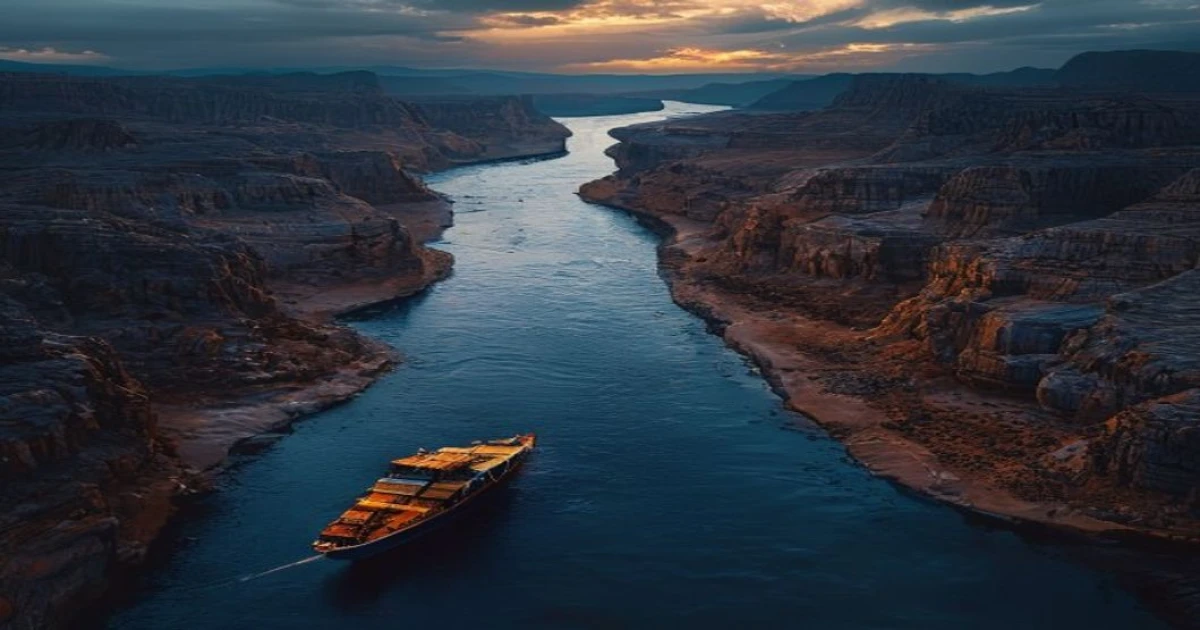
The United States has launched consecutive military operations targeting Iranian military infrastructure in the Strait of Hormuz, marking an escalation in direct confrontation between Washington and Tehran. President Donald Trump warned Iran to "behave" while threatening strikes on civilian infrastructure including bridges and power plants if negotiations do not resume. The five-day cycle of tit-for-tat attacks has threatened to collapse a preliminary ceasefire agreement and raised concerns about broader regional conflict.
İçindekiler ›
Military Operations in the Strait
US military central command confirmed that recent strikes targeted Iranian capabilities "used to threaten vessels freely transiting through the strait of Hormuz," describing the waterway as vital to global commerce. On Thursday morning, the US disabled an unladen oil tanker attempting to reach Kharg Island using Hellfire missiles fired into the ship's smokestack after the vessel ignored multiple warnings. The same day, strikes hit coastal defences, missile sites, and cruise missile storage facilities on Iran's Greater Tunb Island, with additional operations reported in Tehran itself.
According to Iranian officials, the ongoing strikes have killed more than 35 people and wounded over 300 others across multiple locations including Ahvaz, Bandar Abbas, Sirik, and Qeshm in southern Iran. The Strait of Hormuz, which carries approximately one-fifth of global oil and gas supplies, has become the focal point of military operations as both sides escalate their positions.
Iranian Response and Negotiation Breakdown
Iran responded to the US operations by attacking military targets in Bahrain and Kuwait, with state media confirming the country's armed forces had struck US positions in the region. Iran's top negotiator, Mohammad Bagher Ghalibaf, stated that Tehran has "no reason" to abide by the preliminary deal if it does not provide benefits, and emphasized that maintaining Iranian control of the strait was essential to national security. The Islamic Revolutionary Guards Corps threatened to halt all energy exports from the Middle East, declaring that "regional energy exports are either shared by all or denied to all."
Trump indicated flexibility on the situation despite military pressure, welcoming Iran's release of American detainee Dena Karari, whom he described as having been "wrongfully detained" since December 2024. He characterized the release as a "gesture of goodwill" while maintaining pressure on Tehran to return to negotiations within an unspecified timeframe. Trump told defence summit delegates that Iran wanted to settle but warned he would "finish it off" if negotiations did not progress.
Impact on Global Energy Markets
The escalating military operations have driven oil prices higher, with Brent crude trading at elevated levels as markets respond to uncertainty surrounding maritime transit through the Strait of Hormuz. The US reimposed its naval blockade on Iran on Wednesday, triggering the Iranian threat to restrict regional energy exports and creating volatility in international energy supply chains.
What is the strategic importance of the Strait of Hormuz?+
Why did Trump threaten to attack civilian infrastructure?+
Has Iran committed to the preliminary ceasefire agreement?+
What happened to the American detainee?+
How have oil markets reacted to the Strait of Hormuz tensions?+
Bülten Aboneliği
Haftada bir, teknoloji ve dijital dünyadan seçtiklerimiz e-postanda. Spam yok, sadece içerik.