
World Cup 2026 Will Unfold Amid Geopolitical Crisis and Historic Trade Tensions
World Cup results 2026 will unfold as the host nations engage in trade war renegotiations and the US faces regional military tensions.
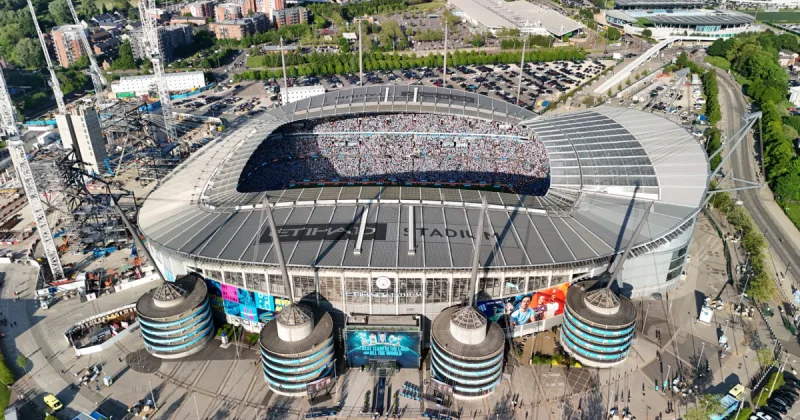
The 2026 World Cup will proceed under extraordinary circumstances, with co-hosts the United States, Canada, and Mexico simultaneously renegotiating their continental trade agreement while Middle Eastern military tensions threaten to destabilize global energy markets and economic stability. The tournament, which begins at Mexico's Estadio Azteca and concludes at New Jersey's MetLife Stadium, represents an unprecedented collision of football, commerce, and international conflict.
İçindekiler ›
Geopolitical Complexity on an Unprecedented Scale
The countdown to kickoff has been dominated by military escalations rather than team preparations. Tensions between Tehran and Tel Aviv have intensified dramatically, forcing immediate diplomatic intervention. President Donald Trump, who has taken a direct interest in the tournament and its global implications, initially called for a military response against Iran before appearing to de-escalate, suggesting that a ceasefire agreement was close. This volatility creates genuine uncertainty: the United States and Iran could potentially meet in the knockout stage during the weekend of America's 250th independence anniversary, transforming a sporting fixture into a geopolitical flashpoint.
FIFA President Gianni Infantino has previously advocated for ceasefires during World Cups, recognizing the tournament's potential symbolic influence. Whether the competition can meaningfully impact global de-escalation efforts remains unknown, but the scale of the stakes is undeniable. Middle Eastern military conflict directly affects global energy supply chains and commodity prices, meaning World Cup outcomes could have measurable economic consequences for nations worldwide.
Trade War Backdrop to the Tournament
Running parallel to the competition is a fundamental restructuring of North American economics. Between the opening ceremony and the final, the three co-hosting nations will be engaged in renegotiating the USMCA (United States-Mexico-Canada Agreement), the foundational trade framework governing continental commerce. This timing creates extraordinary pressure: sponsorship deals, broadcast rights, travel arrangements, and fan experiences will all operate against a backdrop of trade uncertainty.
The convergence represents what economic analysts describe as a complete reshaping of football's financial architecture. Trump has already accepted a FIFA Peace Prize ahead of the tournament, an unusual honor that preceded rather than followed his military escalation decisions—underscoring the unpredictable nature of leadership during this period.
Operational Challenges and Fan Experience
Beyond macro-level geopolitics, basic operational realities are complicated by regional instability. At least one participating nation faces restrictions on team movement, requiring players to commute specifically for match days rather than maintain standard tournament accommodation. Early matches have already revealed logistical challenges, with empty seats appearing in some venues despite global interest in the competition.
Why is the 2026 World Cup considered economically and politically unprecedented?+
Could the US and Iran actually play each other at the 2026 World Cup?+
How might military conflict affect energy prices during the tournament?+
What operational challenges are teams facing at the 2026 World Cup?+
When will the USMCA be renegotiated relative to the World Cup?+
Bülten Aboneliği
Haftada bir, teknoloji ve dijital dünyadan seçtiklerimiz e-postanda. Spam yok, sadece içerik.