


Archaeologists Uncover Ancient Troy's Secrets Through Excavations and Homer's Manuscripts
Archaeologists excavating Troy in Turkey are uncovering treasures and relics that connect to Homer's legendary accounts of the Trojan War.
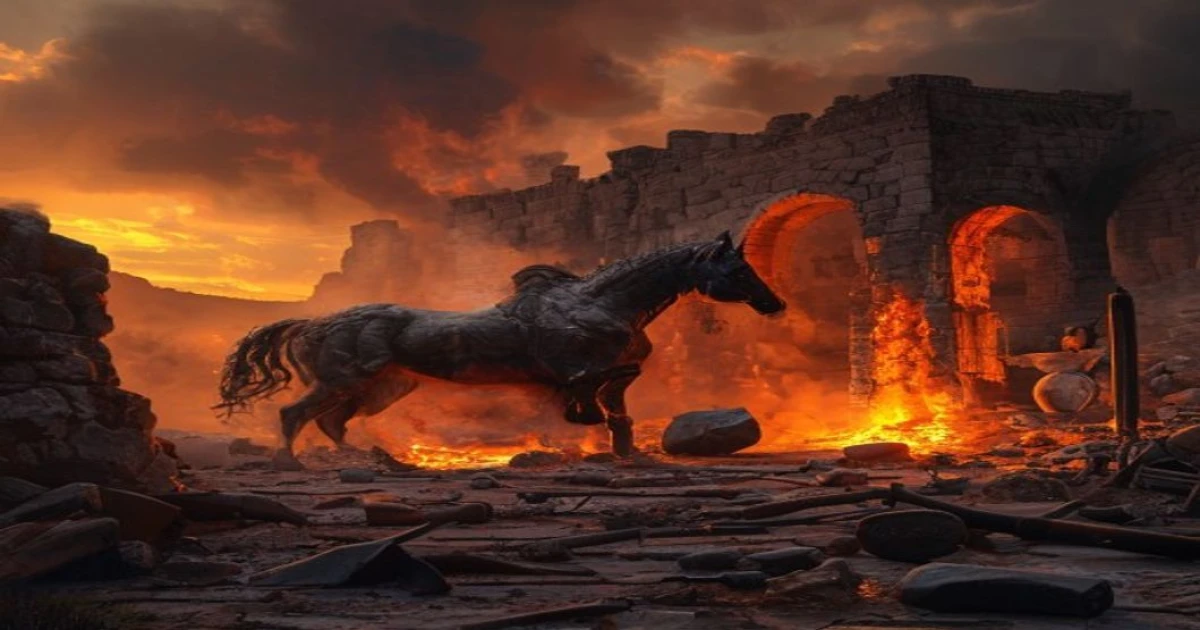
Excavations at the archaeological site of Troy in Turkey continue to reveal artifacts and battle relics that researchers believe connect to Homer's legendary accounts of the Trojan War. Meanwhile, thousands of ancient papyrus fragments discovered in Egypt—some dating to the third century B.C.—provide historians with evidence of how the Iliad and Odyssey evolved as they were copied and retold across centuries.
İçindekiler ›
Discoveries at Troy
The ancient city of Troy, located in present-day Turkey, remains a focal point for archaeologists investigating the historical foundation of Homer's epic narratives. Excavations have yielded ancient gold artifacts and military equipment that researchers examine for connections to the conflict immortalized in classical literature. The site continues to produce new material that sheds light on the settlement's past and its possible role in the events that inspired the Greek epics.
Papyrus Evidence and Literary Evolution
Classical scholars have identified thousands of papyrus fragments containing portions of the Iliad and Odyssey, the majority recovered from mummy excavations conducted during the Ptolemaic dynasty and Roman period in Egypt. Many of these texts were embedded in mummy cartonnage—the linen and papyrus casings placed on mummified remains—making them an unusual but valuable source of ancient writing. The oldest known Homeric papyri come from Egypt and date to the third century B.C., when scholars at the Library of Alexandria began compiling standardized versions of the epics on papyrus scrolls.
The poems themselves originated as oral compositions, with scholars estimating that scribes began recording them between the eighth and sixth centuries B.C. Though traditionally attributed to a poet named Homer, the texts changed significantly as they were retold across different regions and time periods. Medieval scholars later copied the Alexandrian manuscripts into documents that form the basis of the versions read today. This transmission history complicates efforts to identify a single author or original text.
Bridging Myth and Historical Reality
Modern archaeological interest in the epics has taken multiple forms. Beyond papyrus discoveries, researchers have sought to identify real locations that may have inspired the poems' settings and events. However, this approach presents challenges, since the narratives contain fantastical elements and evolved substantially over time. Attempts to connect poetic events to archaeological sites date back to ancient times, yet modern scholars remain cautious about drawing direct conclusions between literary accounts and material evidence.
What artifacts have archaeologists found at Troy?+
Where were the oldest Homer papyri discovered?+
When were the Iliad and Odyssey first written down?+
Did Homer write the Iliad and Odyssey alone?+
Can archaeologists prove the Trojan War actually happened?+
Bülten Aboneliği
Haftada bir, teknoloji ve dijital dünyadan seçtiklerimiz e-postanda. Spam yok, sadece içerik.