

Court of Appeal Upholds Palestine Action Terror Ban in UK Landmark Ruling
Five senior UK judges ruled the Palestine Action ban is lawful and justified in a significant national security decision.
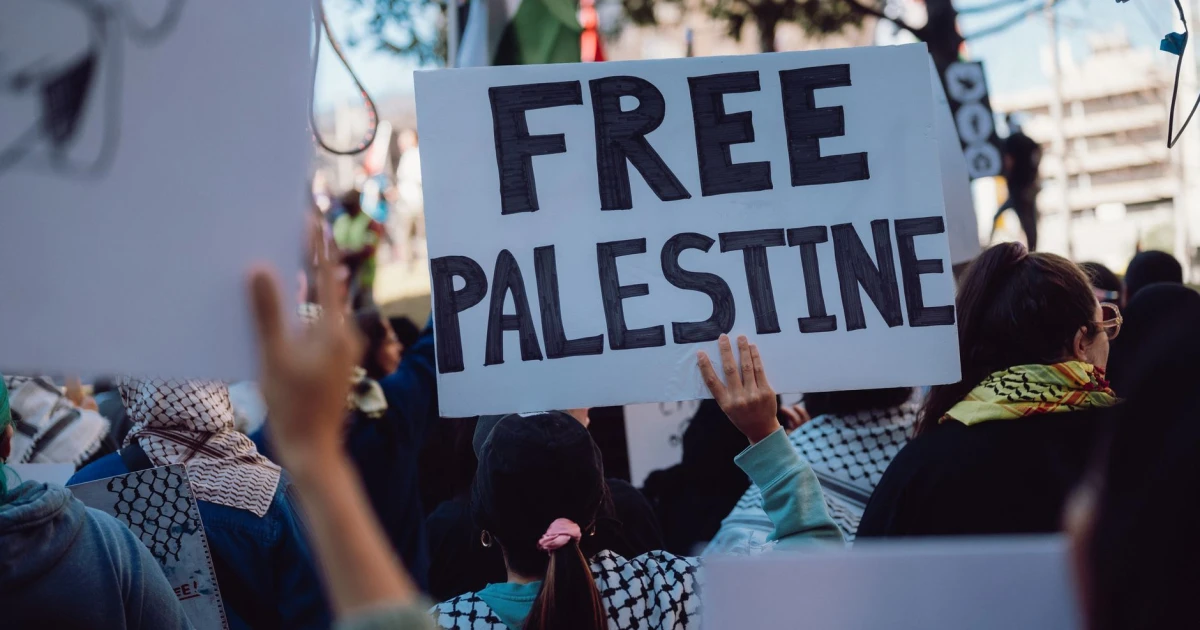
Five of the UK's most senior judges have ruled that the government's ban on Palestine Action as a terror organisation is lawful and proportionate. The Court of Appeal decision overturned a February High Court judgment that had found the proscription unlawful and a breach of the right to protest. The ruling clears the way for potential prosecution of more than 700 people already charged under terrorism legislation.
The Court Decision
Lady Chief Justice Baroness Carr and four fellow judges concluded on Monday that the Home Secretary acted within legal authority when designating Palestine Action as a proscribed organisation. The judges acknowledged that proscribing the group was "highly controversial" and supported by "many otherwise lawful citizens," yet maintained the government's decision was justified.
Baroness Carr stated that characterising Palestine Action as a civil disobedience movement comparable to the suffragettes was fundamentally misleading. She emphasised that the group operates as a covert organisation with secret cells designed to evade detection, using violence to destroy property and cause injury. The judges determined the government's policy on banning terrorist groups gave the Home Secretary legal entitlement to proceed with proscription.
Scale of Arrests and Prosecutions
Since the proscription took effect, more than 3,000 people have been arrested under the Terrorism Act. Of these, more than 700 have been charged with supporting a proscribed organisation, facing potential sentences of up to 14 years in prison. At protests outside the Royal Courts of Justice on Monday following the ruling, police arrested 117 additional people on suspicion of supporting the banned group, with two further arrests near the Old Bailey.
The vast majority of those detained were arrested at Defend Our Juries demonstrations while holding placards stating "I oppose genocide, I support Palestine Action." Among those charged are elderly activists, including an 82-year-old former magistrate and an 81-year-old who spent 27 hours in police custody.
Next Steps and Responses
Palestine Action co-founder Huda Ammori has announced her intention to appeal to the UK Supreme Court, though whether the Supreme Court will accept the case remains uncertain. The group's legal team continues to pursue options to challenge the proscription at the highest judicial level.
Protesters charged under the terrorism legislation have expressed dismay at the judgment. Some indicated willingness to face arrest again, describing the ruling as a miscarriage of justice and warning against what they characterise as an increasingly authoritarian state.
What is Palestine Action and why was it banned?+
What does the proscription mean legally?+
Why did the High Court initially rule the ban unlawful?+
Can the ruling be challenged further?+
Bülten Aboneliği
Haftada bir, teknoloji ve dijital dünyadan seçtiklerimiz e-postanda. Spam yok, sadece içerik.