


M23 Rebel Group Intensifies Control in Eastern Democratic Republic of Congo
M23 rebel group has expanded military control across eastern Democratic Republic of Congo, displacing civilian populations.
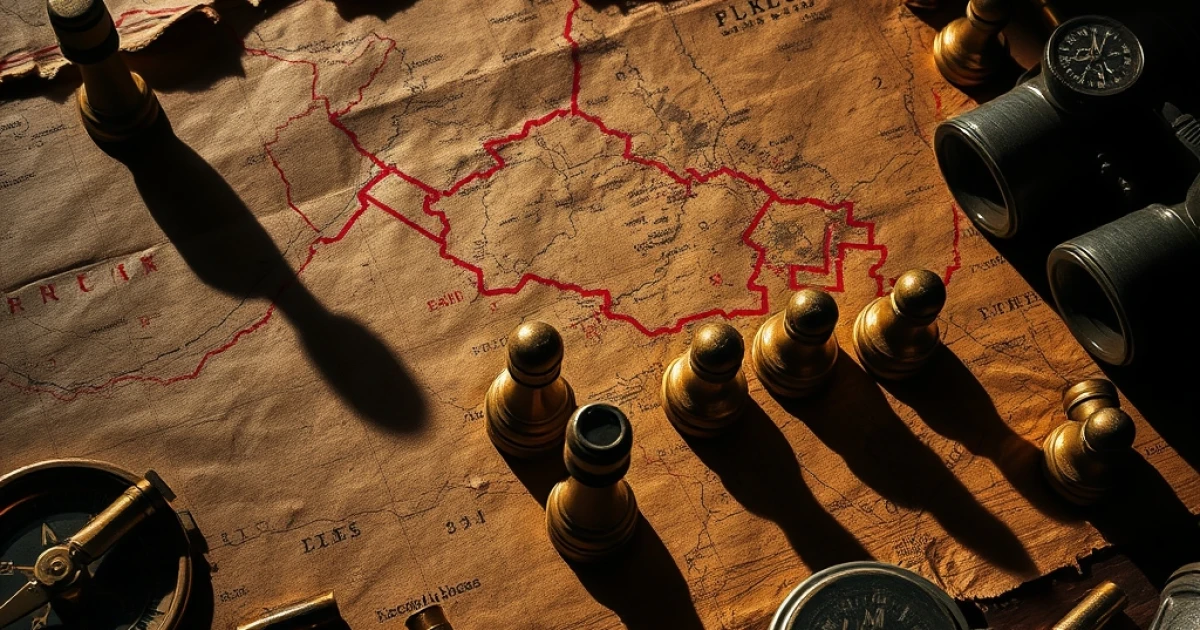
The M23 rebel group has intensified its military operations in the eastern Democratic Republic of Congo, controlling strategic territory and triggering widespread civilian displacement. The armed movement, which emerged from a 2012 insurgency, has resurfaced as a major destabilizing force in the volatile Kivu region. The escalation has drawn responses from the Congolese government, regional actors, and international bodies including the United Nations.
İçindekiler ›
Background and Origins
M23, officially known as the March 23 Movement, originated from grievances within the Congolese military and emerged as an armed insurgency in 2012. The group claimed to represent marginalized Tutsi interests and demanded political and military reforms. After its initial defeat in 2013, the faction fragmented but reconstituted itself in subsequent years. The movement has been linked to Rwanda, a neighboring nation accused by various investigations of providing military support, though Rwanda has consistently denied direct involvement.
Current Military Advances
M23 forces have captured multiple towns and territorial positions in North Kivu and South Kivu provinces. The group controls key infrastructure and has established administrative systems in occupied areas. Military analysts estimate the rebel force numbers between 3,000 and 6,000 active combatants, equipped with modern weaponry. The Congolese Armed Forces (FARDC) have mounted counteroffensives, but territorial gains remain contested and fluid.
Humanitarian and Civilian Impact
The conflict has displaced over 1 million civilians across the eastern DRC since 2012, with recent operations accelerating displacement rates. Humanitarian organizations report limited access to affected populations, creating severe shortages of food, medical care, and shelter. Sexual violence, forced recruitment, and extortion have been documented as tactics employed by armed groups in the conflict zone. The United Nations Stabilization Mission (MONUSCO) continues operations to protect civilians, though resources remain constrained.
International Response
The United Kingdom, United States, and European Union have condemned the escalation and called for diplomatic resolution. The UN Security Council has maintained sanctions regimes targeting M23 leadership and associated actors. Regional mediation efforts, led by the East African Community, have achieved limited results. International investigations have documented potential war crimes, though accountability mechanisms remain underdeveloped.
What does M23 stand for?+
Is Rwanda directly supporting M23?+
How many people have been displaced by the conflict?+
What is MONUSCO and what role does it play?+
Bülten Aboneliği
Haftada bir, teknoloji ve dijital dünyadan seçtiklerimiz e-postanda. Spam yok, sadece içerik.