


Man Hospitalized After Rattlesnake Bite at Michigan Recreation Area
A 41-year-old man required hospitalization after a rattlesnake bite at Proud Lake Recreation Area in Michigan.
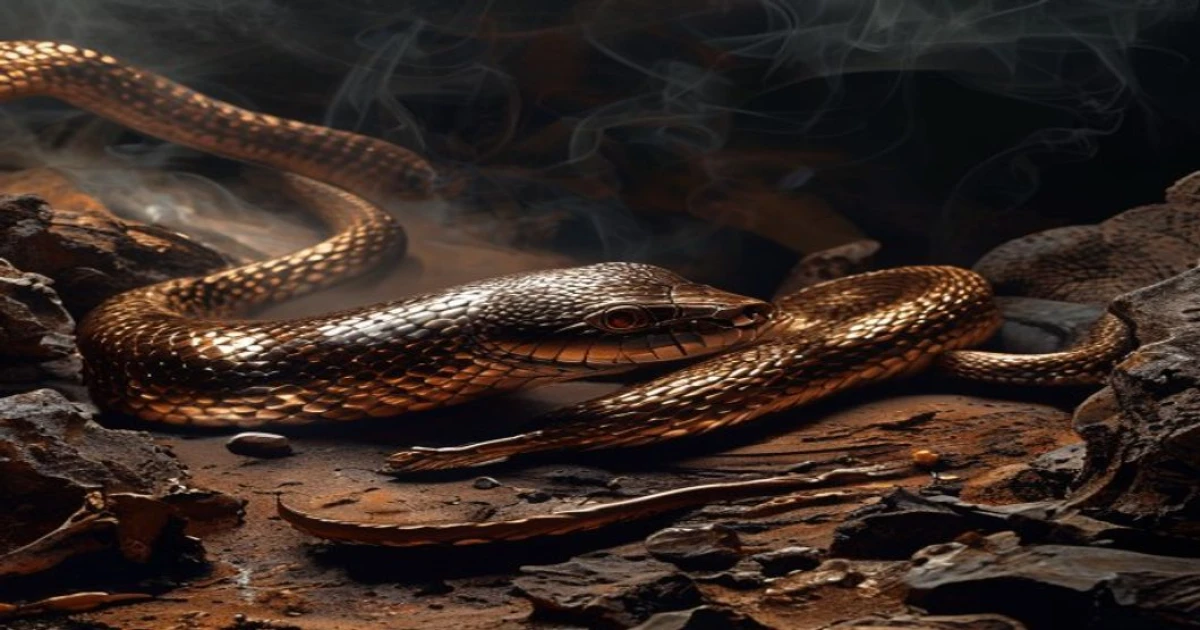
A 41-year-old resident of Novi, Michigan was transported to the University of Michigan Hospital after being bitten by an Eastern massasauga rattlesnake — the state's only venomous snake species — during a visit to Proud Lake Recreation Area in Commerce Township. The incident, which occurred at a boat launch facility, prompted the local fire department to classify it as a rare medical emergency and transport the victim to the nearest facility equipped with anti-venom capabilities.
İçindekiler ›
The Incident and Response
The bite occurred when the 41-year-old came too close to the snake, which struck him in the hand. Commerce Township Fire Department personnel responded rapidly to the call, recognizing the severity of a potential venom exposure. Fire Chief James Dundas confirmed the location and nature of the emergency. Because anti-venom treatment is not available at all hospitals, emergency responders made the decision to bypass closer facilities and transport the victim to the University of Michigan Hospital in Ann Arbor, approximately 30 miles away, where specialized treatment could be administered.
Understanding the Eastern Massasauga
The Eastern massasauga, also known colloquially as a swamp rattler, is a small but dangerous reptile native to Michigan's wetland ecosystems. Adults typically measure between 18.5 and 30 inches in length, though specimens have been recorded reaching up to 39.5 inches. The snake is identifiable by its gray or grayish-brown coloration marked with dark blotches edged in white, accompanied by spots running down its back and sides. A distinctive segmented rattle at the tail's tip serves as a warning device, though the snake does not always use it before striking.
Michigan supports the nation's largest population of Eastern massasauga rattlesnakes despite the species experiencing population declines. Oakland County has recorded the most sightings across the state. The U.S. Fish and Wildlife Service lists the species as threatened due to habitat fragmentation and wetland loss. These snakes remain active primarily between April and October, spending most of their time hunting small rodents rather than engaging with humans.
Snake Safety and Prevention
Fire officials have emphasized that rattlesnake bites, while rare in Michigan, are not unprecedented. The snakes are naturally shy and will typically avoid human contact entirely, allowing people to pass undetected if the snake does not feel threatened. Most bites occur when individuals inadvertently step on or over the snake, as their striking range is limited to areas near ground level. Officials advise park visitors to remain alert when exploring trails, wetlands, and wooded areas, particularly during warmer months.
If bitten, emergency response guidelines stress immediate action: move away from the snake, minimize movement to slow venom circulation, and seek hospital care as quickly as possible. Treatments such as cutting the wound, applying ice, or using tourniquets are strongly discouraged as they may accelerate venom spread or cause additional tissue damage.
What makes the Eastern massasauga different from other Michigan snakes?+
Why was the bite victim taken to Ann Arbor instead of a closer hospital?+
Are Eastern massasauga rattlesnakes aggressive toward humans?+
How common are rattlesnake bites in Michigan?+
What should someone do if bitten by a rattlesnake?+
Bülten Aboneliği
Haftada bir, teknoloji ve dijital dünyadan seçtiklerimiz e-postanda. Spam yok, sadece içerik.