

Meltemi Winds Drive Greece Wildfires as Firefighting Helicopter Collision Kills Two
Greece wildfires are spreading rapidly due to powerful Meltemi winds gusting up to 100 km/h, not extreme temperatures like other European regions.
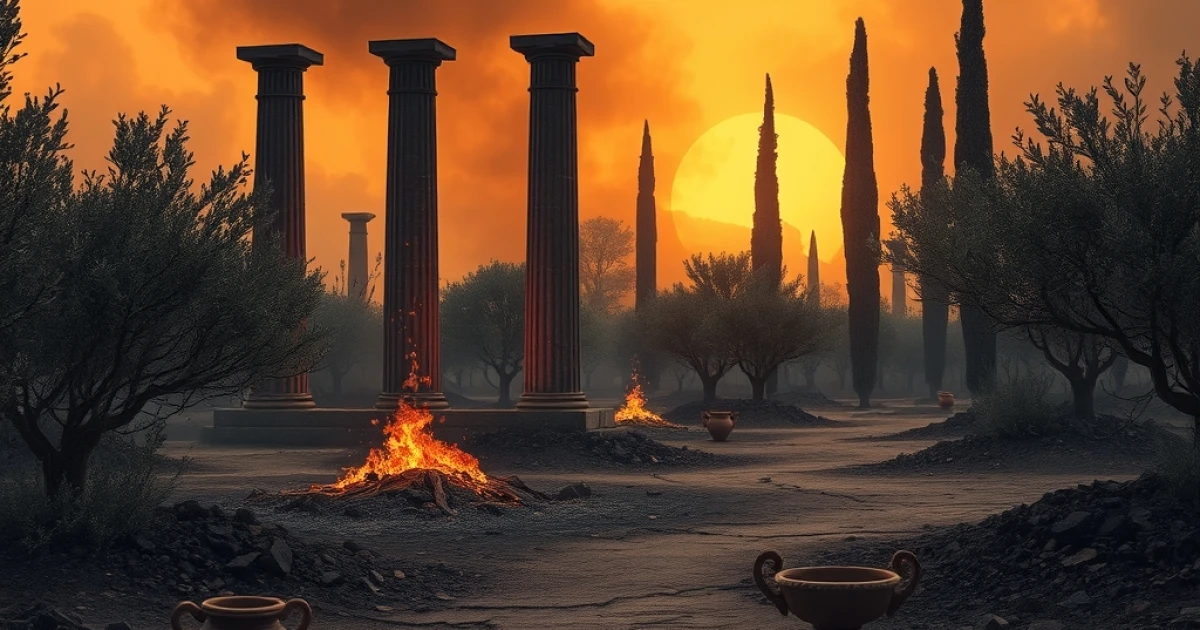
Greece is battling an expanding wildfire crisis driven primarily by strong northerly winds rather than extreme heat, distinguishing the country's fire season from neighboring European nations. A firefighting helicopter collision during containment operations claimed two lives, though a British pilot involved in the incident survived. The combination of persistent wind patterns and accumulated dry vegetation has created conditions enabling rapid fire spread across affected regions.
The Meltemi Effect
Unlike much of western and southwestern Europe, Greece has avoided the extreme heat conditions affecting Spain, Portugal, France, and parts of Italy, where temperatures have exceeded 40°C throughout the summer. However, the absence of exceptional heat has not prevented disaster. The primary culprit fueling Greece's current wildfire expansion is the Meltemi—a seasonal, dry northerly wind system that occurs commonly during July and August.
Wind gusts in affected areas have reached 80 to 100 kilometers per hour, creating dangerous conditions for both ground crews and aerial firefighting operations. These powerful winds accelerate flame spread, carry burning embers far ahead of active fire fronts, and ignite secondary fires in unexpected locations. The unpredictable nature of such wind patterns compounds the challenge: fires can shift direction rapidly with minimal warning, complicating evacuation efforts and limiting the ability of aircraft to operate safely and effectively.
Helicopter Collision and Operational Challenges
The collision between two firefighting helicopters underscores the hazardous environment in which containment teams operate. The crash resulted in two fatalities, though a British pilot involved in the incident survived. The accident occurred during active firefighting operations, highlighting the operational risks posed by strong winds and low visibility conditions typical of large-scale wildfire scenarios.
The incident has prompted a temporary restart of firefighting operations, with crews reassessing safety protocols and coordination procedures. The loss of aircrew capacity during peak wildfire season further strains containment efforts across affected areas.
Regional Outlook
Forecasts indicate Greece will remain hot but largely free of the extreme temperatures affecting other southern European nations through the remainder of the week. However, the persistent threat from Meltemi winds means wildfire risk will remain elevated. Across southern Europe more broadly, above-average temperatures and predominantly dry conditions are expected to maintain a heightened fire danger, particularly in regions where vegetation susceptibility has been increased by prolonged heat exposure.
What is the Meltemi wind and why does it cause wildfires?+
How do Greece's wildfires differ from those in Spain, Portugal, and France?+
What happened to the firefighting helicopters?+
How fast are the Meltemi winds during the current wildfires?+
Is extreme heat expected to worsen Greece's wildfires in coming weeks?+
Bülten Aboneliği
Haftada bir, teknoloji ve dijital dünyadan seçtiklerimiz e-postanda. Spam yok, sadece içerik.