
Moon Phase Today Reaches Nearly Full Stage as Lunar Cycle Progresses
Moon phase today has reached the waxing gibbous stage with 90 percent of its visible surface illuminated.
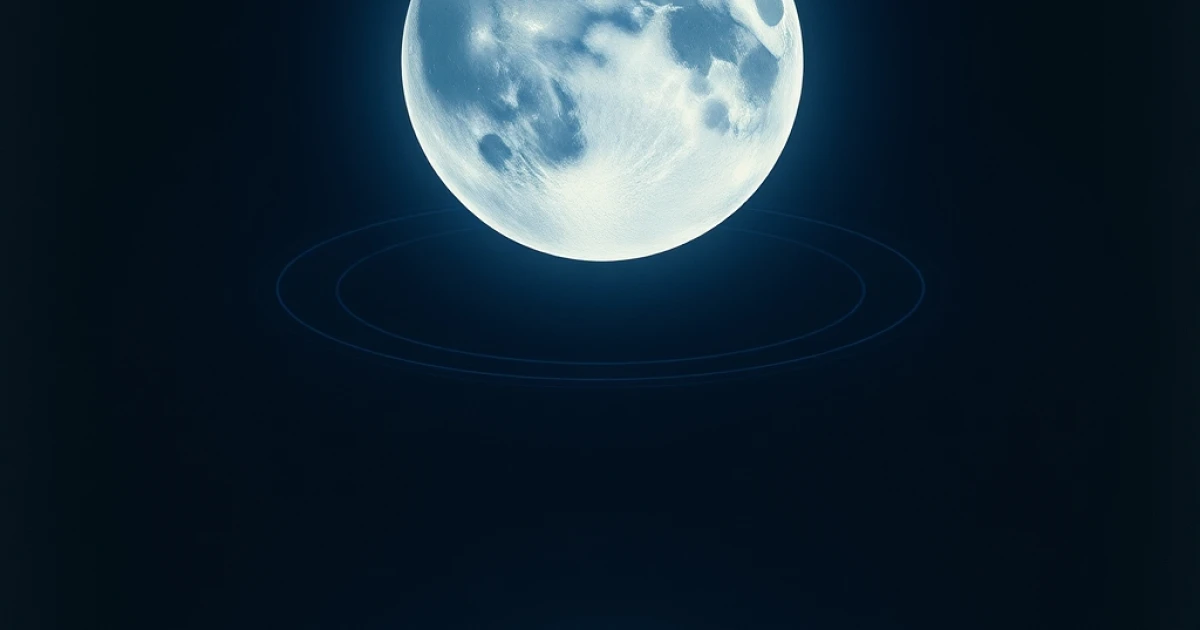
The Moon is currently in its waxing gibbous phase, with approximately 90 percent of its surface illuminated. The full moon will occur within the next few days, making this an ideal period for observing lunar features with binoculars or telescopes.
Current Lunar Phase and Visibility
As the lunar cycle progresses, the Moon continues to brighten in the night sky. During the waxing gibbous phase, more than half of the Moon's visible surface is lit by the Sun, though it has not yet reached full illumination. At this stage of the cycle, observers can see the Moon nearly complete, making it an excellent opportunity for both casual viewing and detailed observation.
Without optical aid, viewers should be able to identify three prominent lunar features: the Mares Fecunditatis, Serenitatis, and Tranquillitatis. Binoculars will reveal additional details, including the Alps Mountains, Archimedes Crater, and the Gassendi Crater. For those with access to a telescope, the viewing possibilities expand significantly to include the Apollo 12 landing site, Schiller Crater, and the Caucasus Mountains.
The Lunar Cycle Explained
The Moon completes its orbit around Earth approximately every 29.5 days, according to NASA records. During this journey, it passes through eight distinct phases as the portion of its surface illuminated by the Sun changes. These shifting levels of light create the varying appearances observed throughout the month, from thin crescents to half-moons and finally the bright full moon before the cycle begins anew.
The eight phases are: New Moon (completely dark), Waxing Crescent (small sliver of light), First Quarter (half-lit), Waxing Gibbous (more than half lit), Full Moon (completely illuminated), Waning Gibbous (light decreasing), Third Quarter (half-lit opposite side), and Waning Crescent (thin sliver remaining).
Upcoming Full Moon
The next full moon is expected to arrive within the coming days. This represents the culmination of the current lunar cycle, when the entire face of the Moon becomes fully visible and illuminated from Earth's perspective. Full moons offer particularly striking views and have been widely photographed by amateur and professional astronomers alike.
What is a waxing gibbous moon?+
How long does a lunar cycle take?+
What can I see on the Moon with binoculars?+
When is the next full moon?+
What telescope features can I observe on the Moon?+
Bülten Aboneliği
Haftada bir, teknoloji ve dijital dünyadan seçtiklerimiz e-postanda. Spam yok, sadece içerik.