


Trump Administration's Bombing Campaign Fails to Shift Iran's Negotiating Position, US Intelligence Concludes
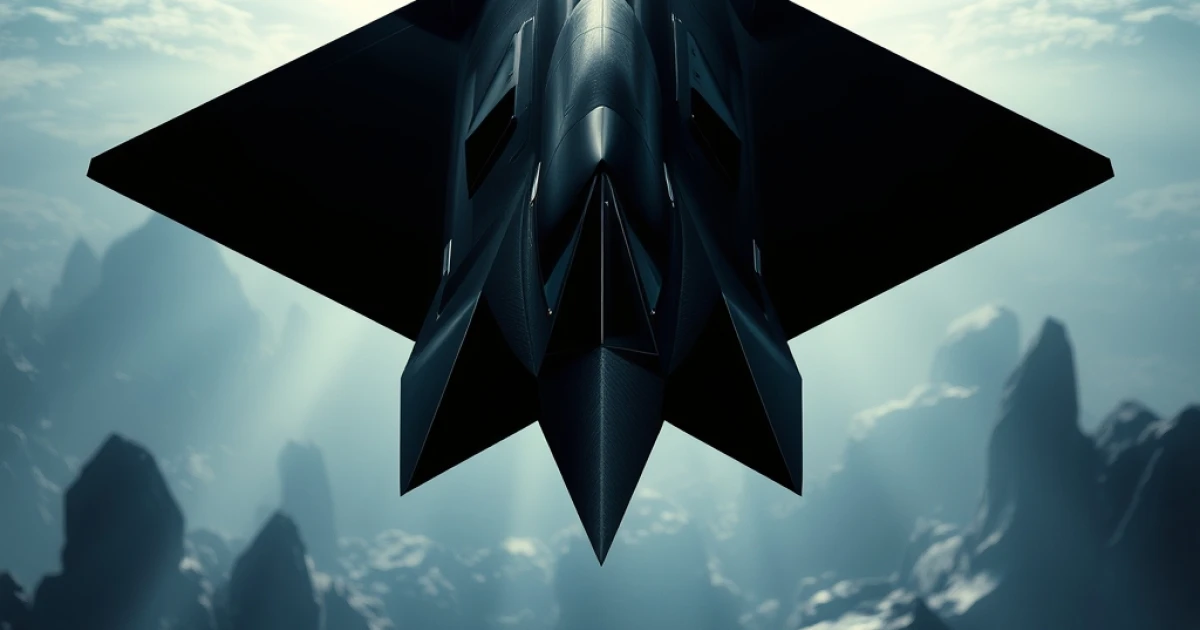
The B1 bomber campaign against Iran, now two weeks underway, has produced little strategic effect according to US intelligence assessments.
The US bombing campaign targeting Iran, now in its second week, is failing to achieve its primary objective of shifting Tehran's negotiating position, according to recent assessments by the CIA and Defense Intelligence Agency. The escalation has instead created a strategic impasse, with American forces sustaining casualties, key diplomatic channels deteriorating, and civilian populations across Iranian port cities facing severe shortages of water and electricity.
The Intelligence Reality
Intelligence officials have concluded that the sustained air offensive—which includes strikes from strategic bombers including the B1 variant—will not compel Iran to alter its negotiating stance. The assessment presents a fundamental challenge for the Trump administration, which has pursued an escalatory military strategy while facing domestic political pressure ahead of midterm elections in November.
The situation has been further complicated by Qatar's threat to withdraw as mediator between the two nations. This development represents a potentially irreplaceable loss for diplomatic resolution efforts, according to current and former US officials. The Qatari decision follows Iran's strike on a Qatari-flagged tanker earlier this month.
Economic and Humanitarian Consequences
The Strait of Hormuz, a critical global shipping corridor, has become largely impassable. Iran has asserted control over maritime traffic and threatened to deploy mines and drones against vessels, effectively closing one of the world's most vital economic lifelines. Port cities including Bandar Abbas and Jask have endured nightly airstrikes, with residents reporting extended power outages and water shortages.
A strike on the Bonji desalination plant in Jask left approximately 20 villages without drinking water. State media reported that US strikes affected over 100 civilian vessels during the recent escalation. Residents interviewed described a normalized state of crisis, with civilians scrambling to stockpile water and adapt to prolonged electrical blackouts that have disrupted livelihoods and basic services.
Trump's Limited Options
The administration faces a constrained set of choices. Ground invasion—which Trump has threatened, including potential occupation of Kharg Island or removal of Iran's enriched uranium—would contradict campaign promises made to his political base to avoid prolonged foreign military commitments. Alternatively, Trump has signaled acceptance of an indefinite cycle of strikes and counterstrikes, recently posting that the US would target "one bridge or power plant" in response to any Iranian attacks on vessels in the Strait of Hormuz.
The B1 bomber campaign represents an escalation in vertical intensity—targeting increasingly significant infrastructure—but intelligence suggests this approach will not produce the desired diplomatic outcome. The two sides are, in effect, fighting different wars: the US pursues military superiority through concentrated firepower, while Iran employs asymmetric tactics through maritime threats and proxy actions that maintain strategic pressure without direct conventional confrontation.
Why hasn't the bombing campaign changed Iran's negotiating position?+
How has the Strait of Hormuz been affected?+
What is happening to Iranian civilians in coastal cities?+
Why is Qatar's potential withdrawal from mediation significant?+
What military options remain available to Trump?+
Bülten Aboneliği
Haftada bir, teknoloji ve dijital dünyadan seçtiklerimiz e-postanda. Spam yok, sadece içerik.