


Ancient Maya astronomer mathematician identified for the first time in Guatemalan ruins
Archaeologists have identified Sak Tahn Waax, a Maya astronomer-mathematician credited for planetary calculations.
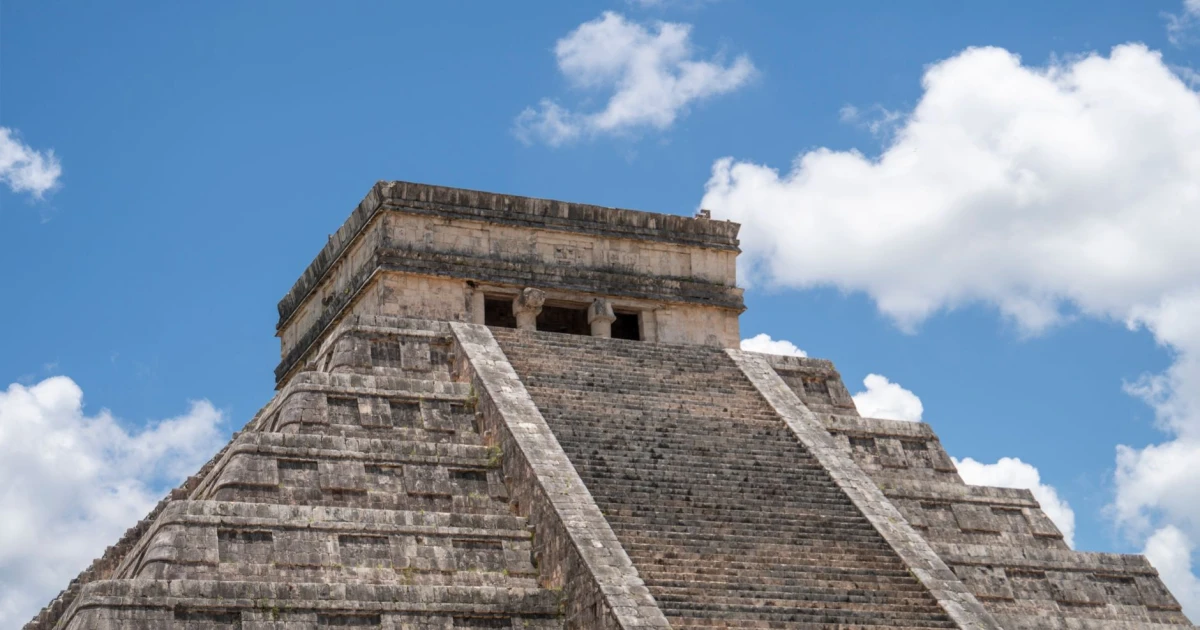
Researchers have deciphered the name of an ancient Maya astronomer-mathematician for the first time, identifying him as Sak Tahn Waax—meaning "White-chested Fox." The discovery, made at Xultun in Guatemala, represents the only known example of a Classic Maya scholar directly credited for astronomical and mathematical work. Eleven hieroglyphs found among more than 50 faint mathematical texts painted on a chamber wall link his name to equations calculating planetary movements of Venus and Mars.
İçindekiler ›
The Discovery at Xultun
The breakthrough comes from Structure 10K-2, a small rectangular room at the Xultun archaeological site, where researchers uncovered intricate microtexts etched and painted into the walls. David Stuart, an archaeologist and epigrapher at the University of Texas at Austin, describes the find as comparable to discovering "an old whiteboard in someone's abandoned office." The texts, dating to the eighth century during the Classic Maya period, were preserved for over a thousand years within this interior chamber.
The research, published in the journal Antiquity, reveals a unique astronomical formula attributed directly to Sak Tahn Waax. Unlike monumental inscriptions celebrating rulers or religious figures, these chamber texts represent rare everyday records documenting the intellectual work of a specific individual. Heather Hurst, director of the San Bartolo-Xultun Project at Skidmore College, notes that the discovery illuminates "an entire tradition that comes to life with a single individual."
Significance for Maya Science
The identification transforms understanding of Maya intellectual history. For centuries, Maya astronomers remained uncredited for their scientific contributions, their work overshadowed by monumental architecture and calendar systems attributed to broader civilizations. Sak Tahn Waax now stands alongside figures like Pythagoras, Galileo, and Newton—individuals whose names became synonymous with scientific advancement. Whether he authored the equations himself, collaborated with subordinates, or had his work attributed posthumously remains unclear, but his documented connection to the calculations fundamentally changes how scholars assess indigenous Mesoamerican science.
Anthony Aveni, an archaeoastronomer at Colgate University, describes the finding as "probably the most wonderful discovery leading to an understanding of Maya science." The texts reveal that Maya scholars conducted systematic reconciliations between human calendars and astronomical cycles, using predictive astronomy for practical purposes affecting everything from monument construction to royal inaugurations. This discovery provides direct evidence that such knowledge belonged to named individuals working within structured intellectual traditions.
What does the name Sak Tahn Waax mean?+
Where was this discovery made?+
What astronomical work is attributed to Sak Tahn Waax?+
Why is this discovery significant for understanding Maya civilization?+
When was this research published?+
Bülten Aboneliği
Haftada bir, teknoloji ve dijital dünyadan seçtiklerimiz e-postanda. Spam yok, sadece içerik.